
Blog
5 Lessons from the Life of Phillis Wheatley
Apr
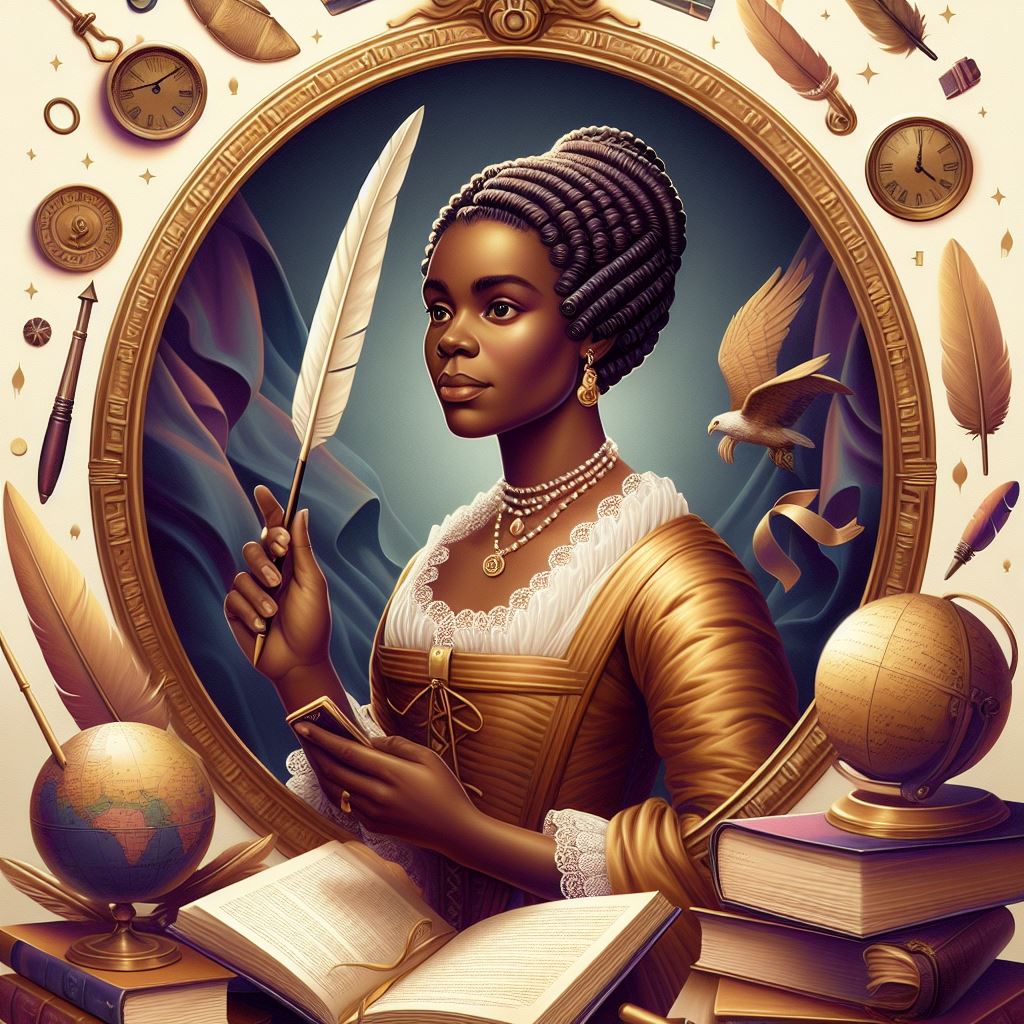
Amidst the shadows of slavery in the 18th century, a beacon of hope emerged in the form of Phillis Wheatley. Born in Senegal in 1753 and brought to America as a child on a slave ship, her journey began with the chains of bondage, yet her spirit soared beyond those confines.
Named after the vessel that transported her, Phillis found herself in the care of the Wheatley family. Despite the harsh realities of enslavement, her brilliance radiated. With the assistance of the Wheatley children, she swiftly mastered Latin and English, her intellect blossoming. By thirteen, she wielded her pen to craft poetry that stirred hearts and minds alike.
READ ALSO: 4 Lessons for African Children from Mansa Musa A Beacon of African Greatness
Her literary debut came in 1767 with “On Messrs. Hussey and Coffin” published in a Newport newspaper. Soon, her verses resonated far and wide, garnering admiration from readers near and distant.
In 1773, at twenty, she made history as the first African American woman to publish a book in America, titled “Poems on Various Subjects, Religious and Moral.” Her talent knew no bounds, earning accolades even from luminaries like George Washington.
But Phillis Wheatley’s poetry was more than artistry; it was a courageous outcry against slavery’s inhumanity. With every stanza, she championed freedom, equality, and human dignity. In a world seeking to dehumanize her, her words became her weapon, challenging oppression’s very foundations.
Despite acclaim, Phillis remained ensnared by slavery’s chains. In 1778, she boldly petitioned the Massachusetts government for freedom. With support from figures like John Hancock and John Adams, her plea was granted, and she emerged from bondage as a free woman.
READ ALSO: 5 Lessons from the Life of Queen Nzinga of Ndongo
From her newfound liberty, Phillis Wheatley continued to pen verses echoing cries for justice and equality. Until her passing in 1784, she remained a steadfast advocate for slavery’s abolition, leaving behind a legacy transcending time.
Lessons for Today’s African Child:
1. Resilience amid Adversity: Phillis Wheatley’s story teaches the resilience to thrive despite adversity, inspiring African children to overcome obstacles on their path to success.
2. Intellectual Strength: Phillis’s mastery of language and literature showcases the power of intellect to break barriers and pursue one’s dreams.
3. Voice against Injustice: Like Phillis, African children can find courage in their voices to speak out against injustice and advocate for a fairer society.
4. Persistence in Pursuit of Freedom: Phillis’s determination to petition for freedom exemplifies the importance of persistence in pursuing liberation and equality.
5. Legacy of Advocacy: Phillis Wheatley’s legacy reminds African children of the enduring impact they can have as advocates for change, inspiring them to continue the fight for justice and equality in their communities and beyond.
