
Blog
Want a More Cooperative Child? Unlock 8 Self-Regulation Strategies for Children
Jun
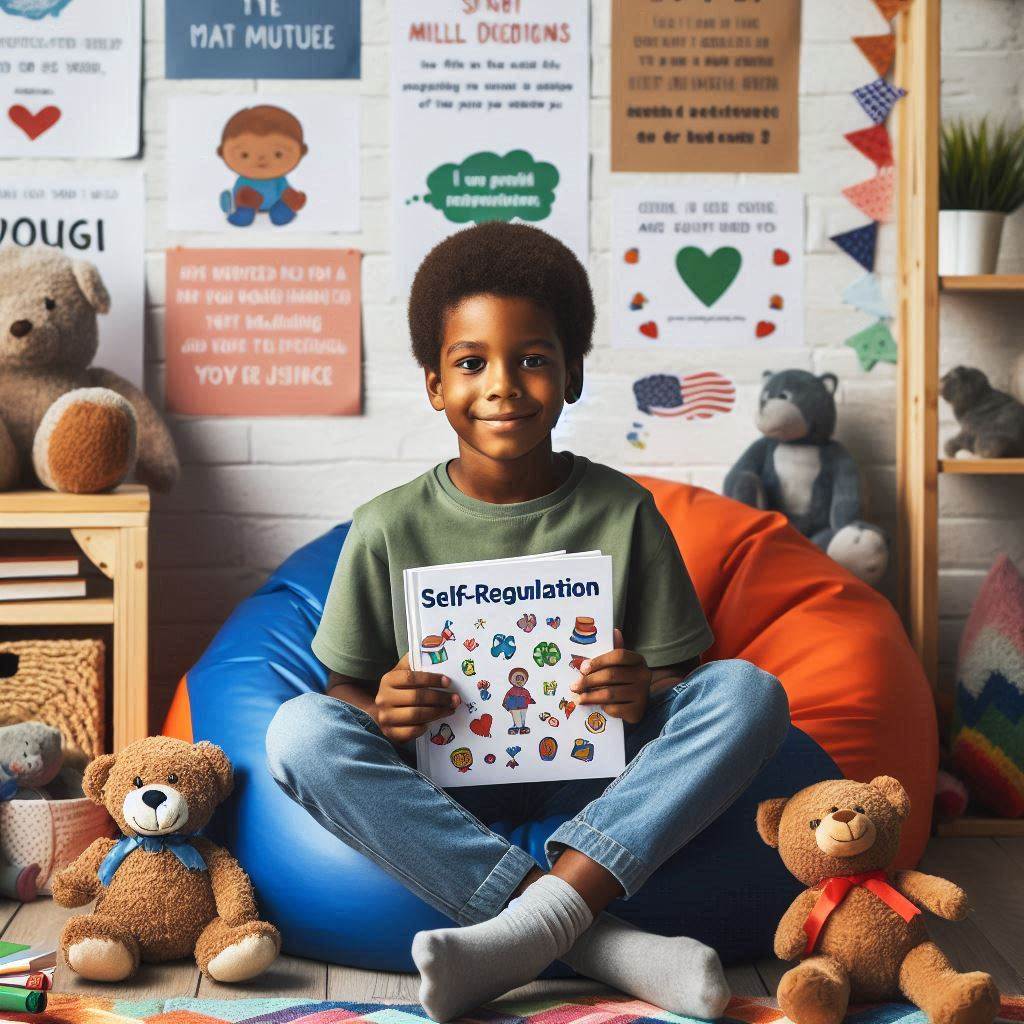
Self-regulation is a critical skill for young children, laying the foundation for emotional well-being and academic success. It involves the ability to manage emotions, behavior, and body movement while staying focused and attentive. Teaching self-regulation skills can be challenging, but with the right strategies, parents can foster these essential abilities in their children.
Understanding Self-Regulation
Self-regulation is the ability to control one’s thoughts, emotions, and behaviors in response to external demands. It includes skills such as impulse control, emotional regulation, and maintaining attention. Children who develop strong self-regulation skills are better equipped to handle stress, make friends, and succeed in school.
Why Self-Regulation is Important
Emotional Stability: Children with good self-regulation can manage their emotions effectively, reducing tantrums and outbursts.
Social Skills: Self-regulation helps children interact positively with peers and adults, fostering better relationships.
Academic Success: Focus and attention are crucial for learning, and self-regulated children tend to perform better academically.
READ ALSO: Taming Tantrums: Effective Ways to Manage Your Child’s Emotions
Strategies for Teaching Young Children Self-Regulation
Model Appropriate Behavior: Children learn by observing adults. Demonstrate calmness and self-control in challenging situations.
Establish Routines: Consistent daily routines help children feel secure and understand what to expect, reducing anxiety and improving self-regulation.
Teach Breathing Techniques: Simple breathing exercises can help children calm down and manage their emotions.
Use Positive Reinforcement: Praise and rewards for self-regulated behavior encourage children to repeat those actions.
Create a Calm-Down Space: Designate a quiet area where children can go to relax and regain control of their emotions.
Practical Activities to Enhance Self-Regulation
Mindfulness Exercises: Activities like guided imagery and meditation can help children become more aware of their feelings and reactions.
Role-Playing: Practice scenarios where children can rehearse appropriate responses to stressful situations.
Games and Activities: Games that require turn-taking, patience, and focus, such as “Simon Says” or board games, can build self-regulation skills.
Conclusion
Developing self-regulation skills in young children is a gradual process that requires patience and consistency. By incorporating these strategies into your parenting routine, you can help your child build a solid foundation for emotional health and lifelong success. Remember, the goal is progress, not perfection, and every small step counts.
Empowering children with self-regulation skills not only aids in their current development but also sets them up for future success. As parents, our role is to guide and support them through this journey, celebrating their achievements and helping them overcome challenges.
READ ALSO: 8 Tips On How To Discipline Children
These insights and strategies will help you nurture self-regulation in your young child, creating a more harmonious and productive home environment. Keep these tips in mind as you navigate the rewarding journey of parenting.
Additional Resources
For more information on child development and parenting strategies, visit our website, sankofastorybooks.com and subscribe for the latest updates.
Feel free to send question if you have any questions or need further advice on fostering self-regulation skills in young children. Your child’s emotional and behavioral growth is an essential part of their overall development, and your efforts will make a lasting impact.
