

Phillis Wheatley, the girl who wrote her way to freedom
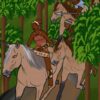
In 1761, a young girl arrived in Boston on a slave ship, sold to the Wheatley family, and given the name Phillis Wheatley. Read to find out how she won so much public attention and considerable fame.
Written by Bunmi Oyinsan
Illustrated by Natalia Cano
Animated by Ikenna Mgbejiofor
Read by Beryl Dube
Phillis Wheatley, the girl who wrote her way to freedom
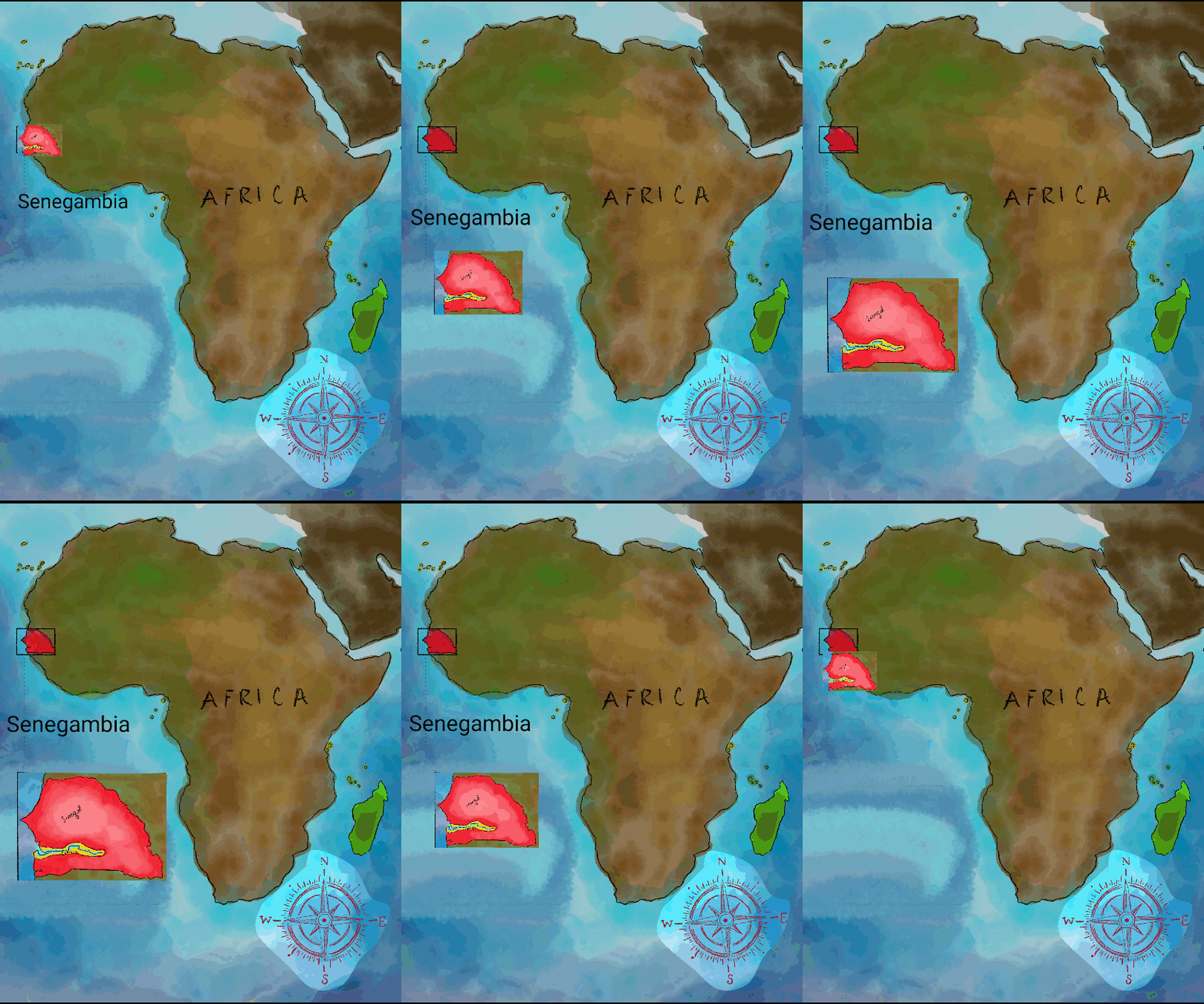
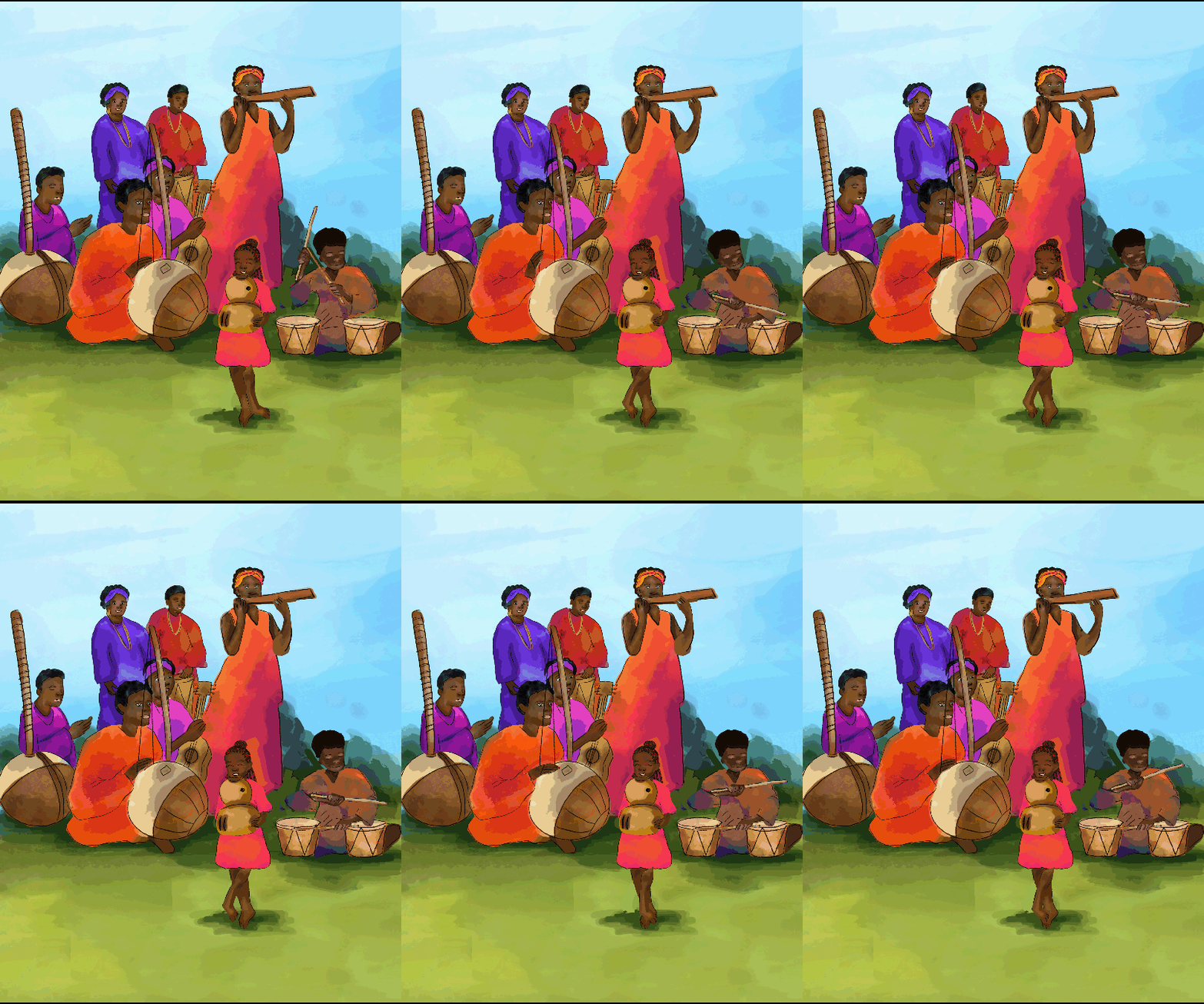
Once upon a time in the part of West Africa that we now know as The Gambia and Senegal, a beautiful baby girl was born to a family of jeli.
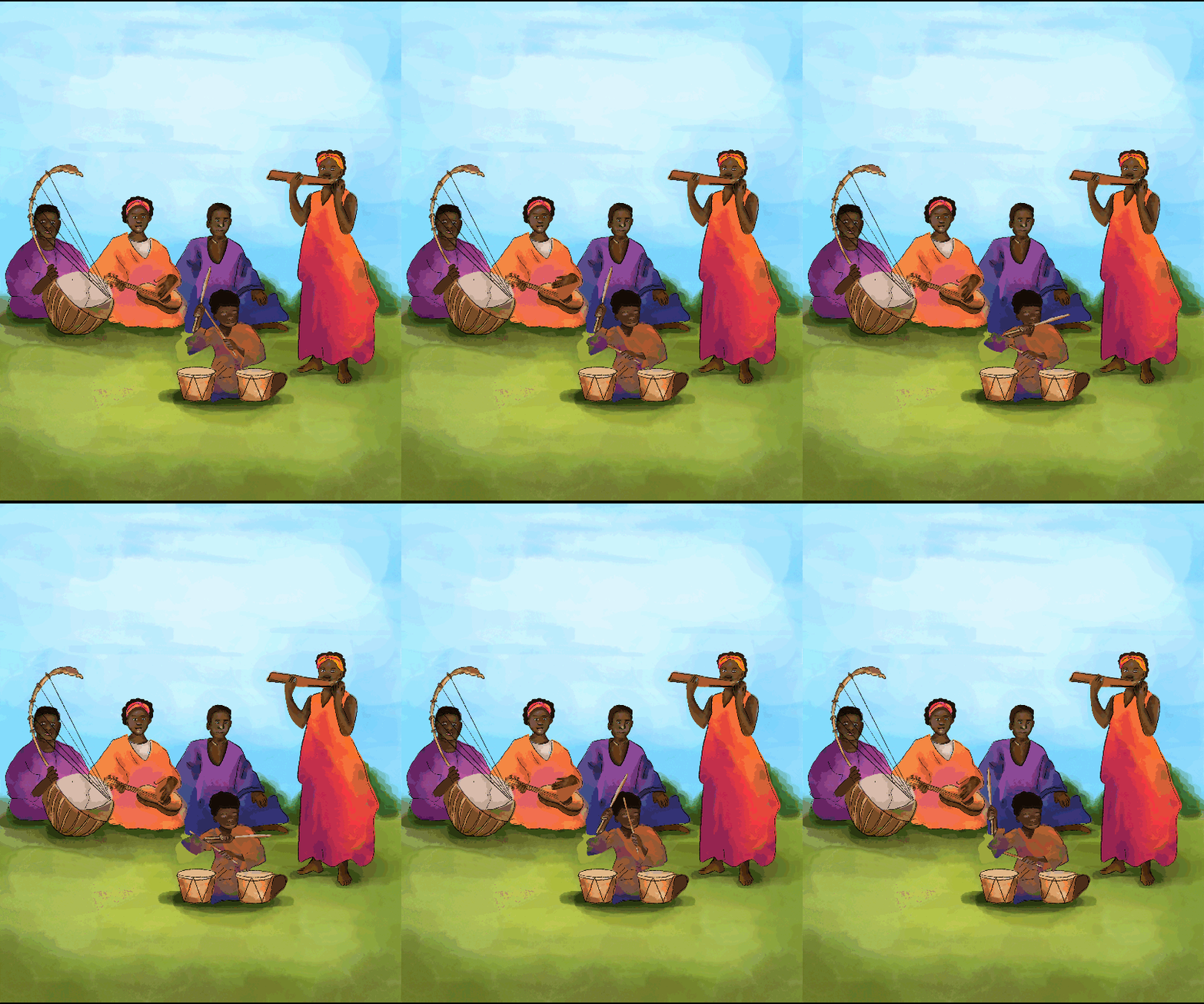
Jeli is the Mandinka word for historian, storyteller, praise singer, poet, musician or bard. In most parts of West Africa, the jeli or bard also served as an advisor to the king or ruler. In the French language, a male jeli is called griot and a female one griotess. Long ago, when writing was not so popular in some parts of the world, the jeli had to learn everything by heart so that they could preserve knowledge and pass them down from one generation to another. The role of jeli was often held within the same family.
Unfortunately, we do not know the name that the girl in this story was given at birth.
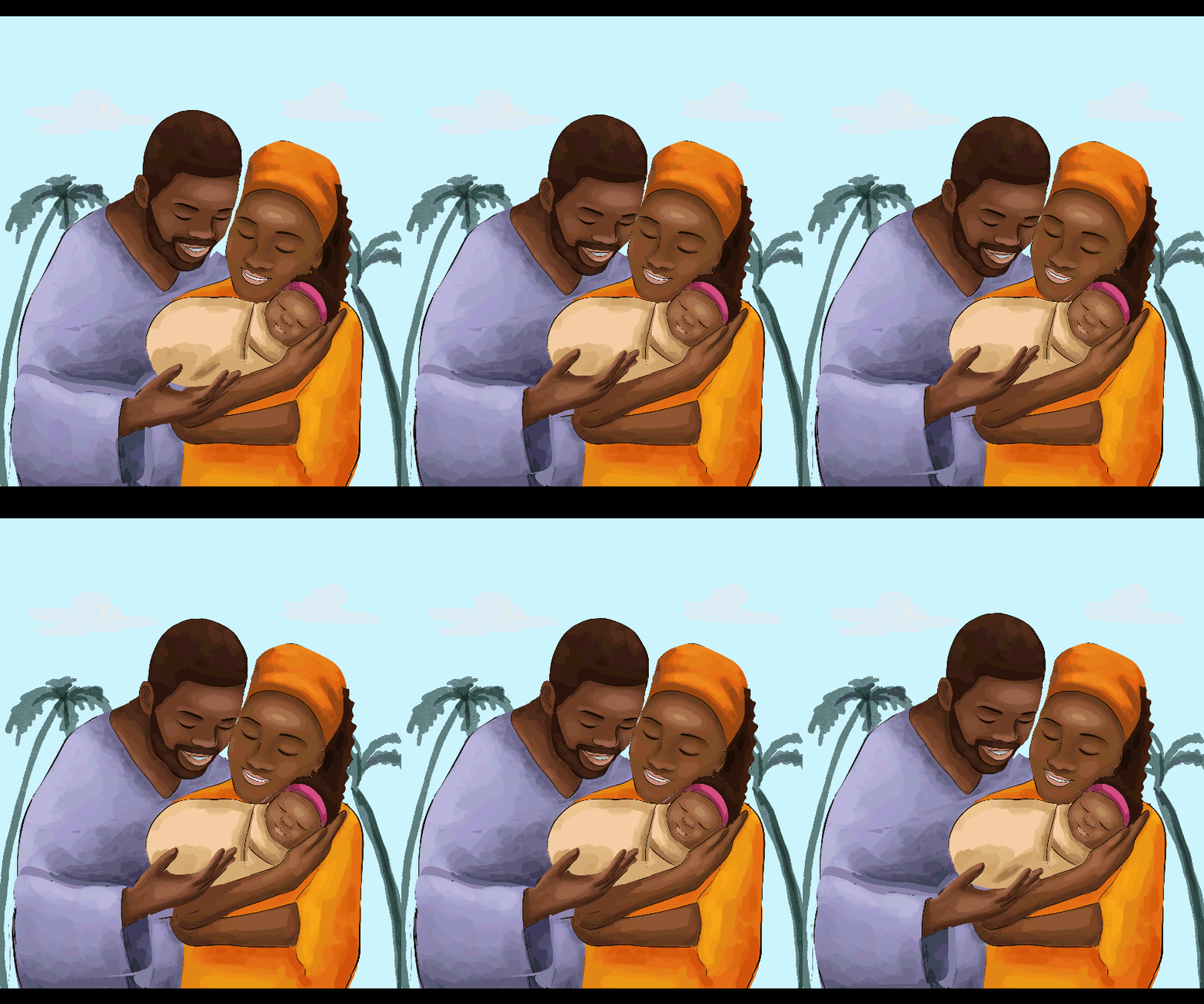
What we do know is that she must have started her life surrounded by family members who were jeli and because she was very bright, she learned very quickly.
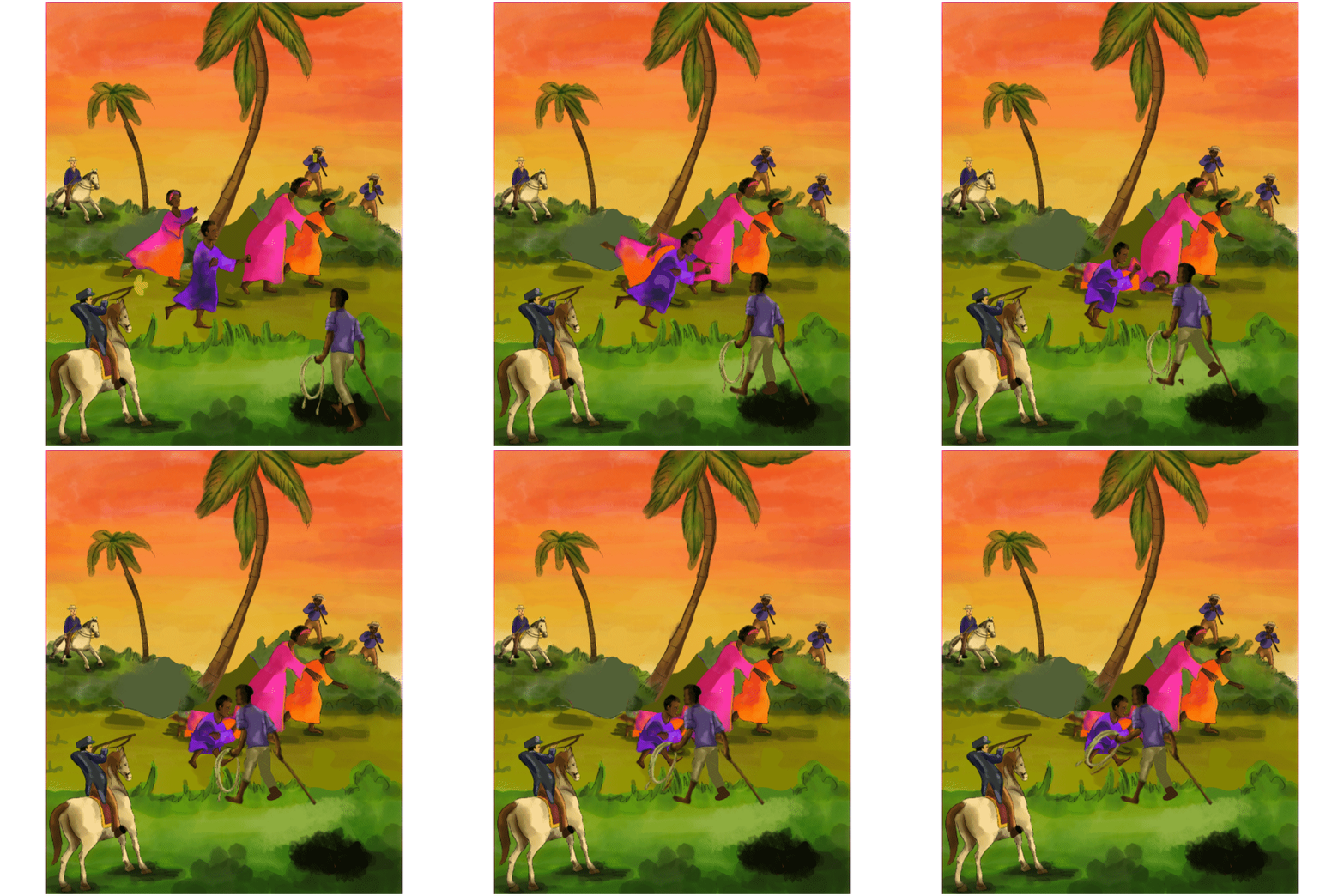
Unfortunately, the name that she was given at birth is now lost because she was born at a time when slavery was widely practised. At that time, in some parts of Africa, children, women, and men were often captured by greedy slave raiders and sold to equally greedy European slave traders who then transported them on huge ships to Europe, North America, South America, and the Caribbean.
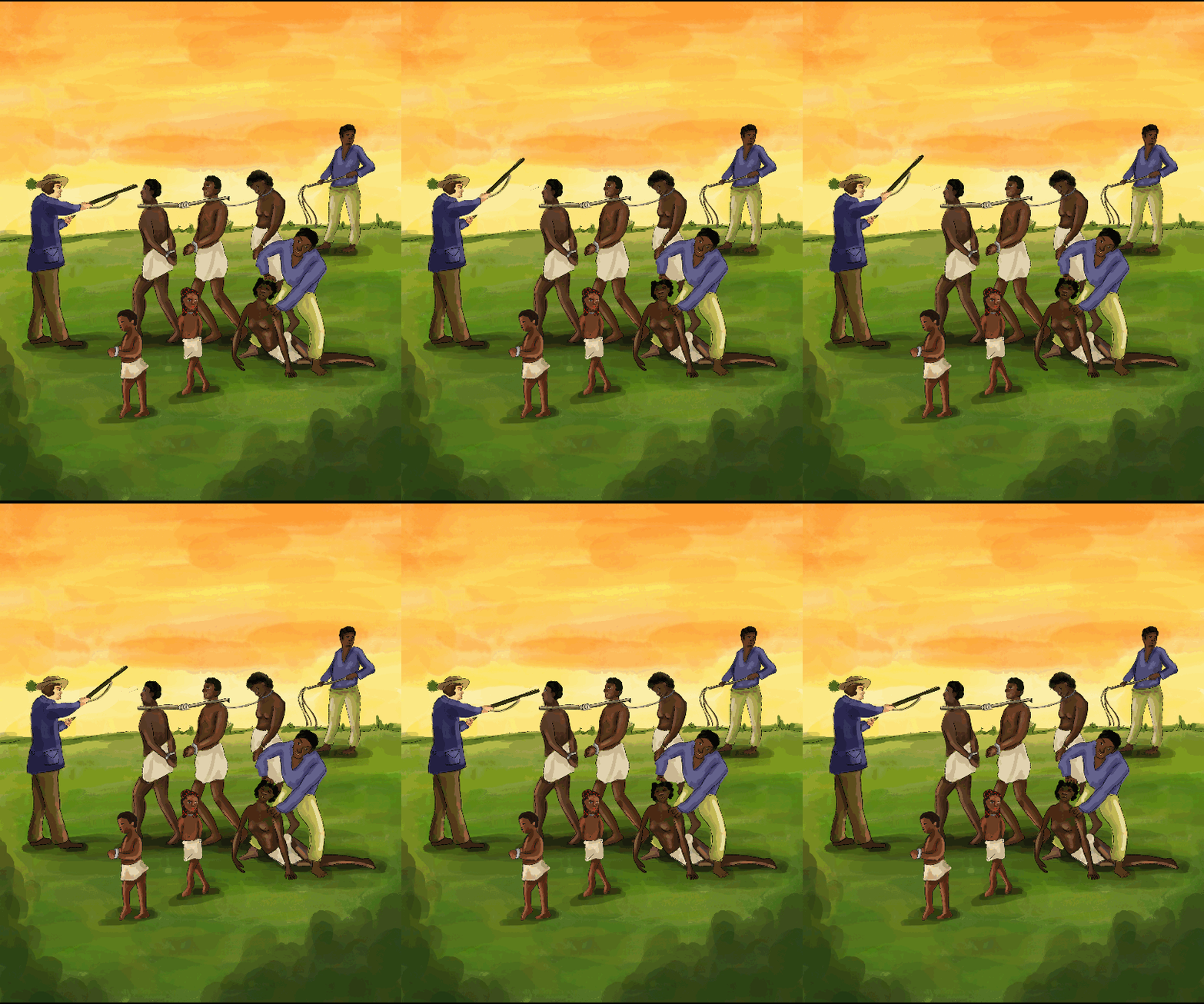
Millions of people were stolen from various parts of Africa and transported in unsafe ships. Many of them died during the journey from Africa to other continents because the condition on the vessels was dangerous for human beings.
The captured people were bound hand and foot and stuffed tightly into spaces between the hold and the deck of ships. The spaces were meant for cargo and not human beings. Slave ships carried hundreds of stolen people. The ships were usually overcrowded so that the greedy merchants who traded in slaves could make more profit. The captured people were made to lie on their sides in many ships and packed like spoons with no room even to turn. They were given very little food and water. They were only allowed up the deck for a few minutes of the day to get some fresh air.
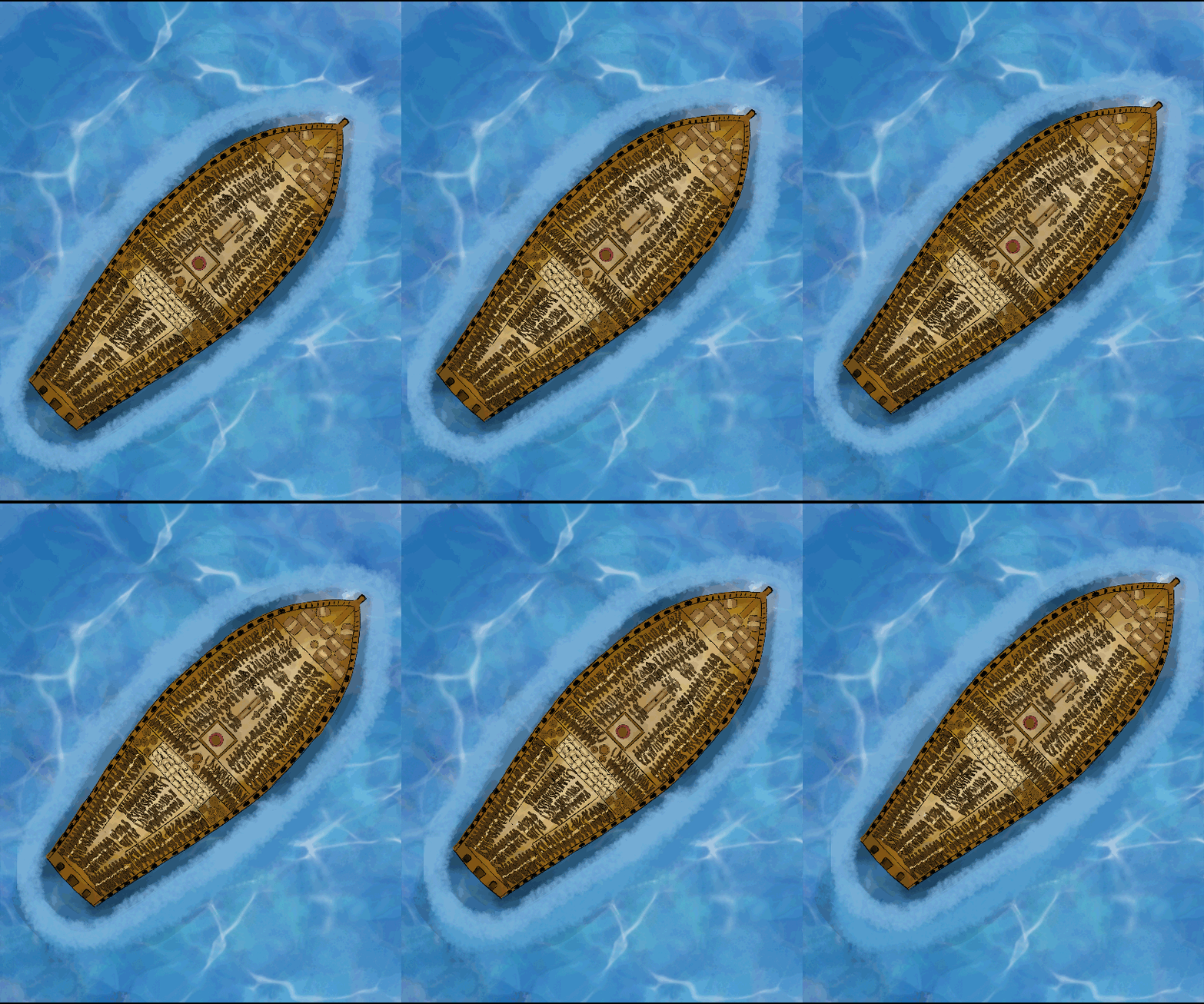
This was the horrible way the beautiful bright little girl in our story arrived in America. Stolen from her parents’ loving arms, she was transported from her homeland in Africa to America on a vessel called ‘The Phillis’. The poor frightened girl found herself put up for sale in a slave market in Boston, Massachusetts.
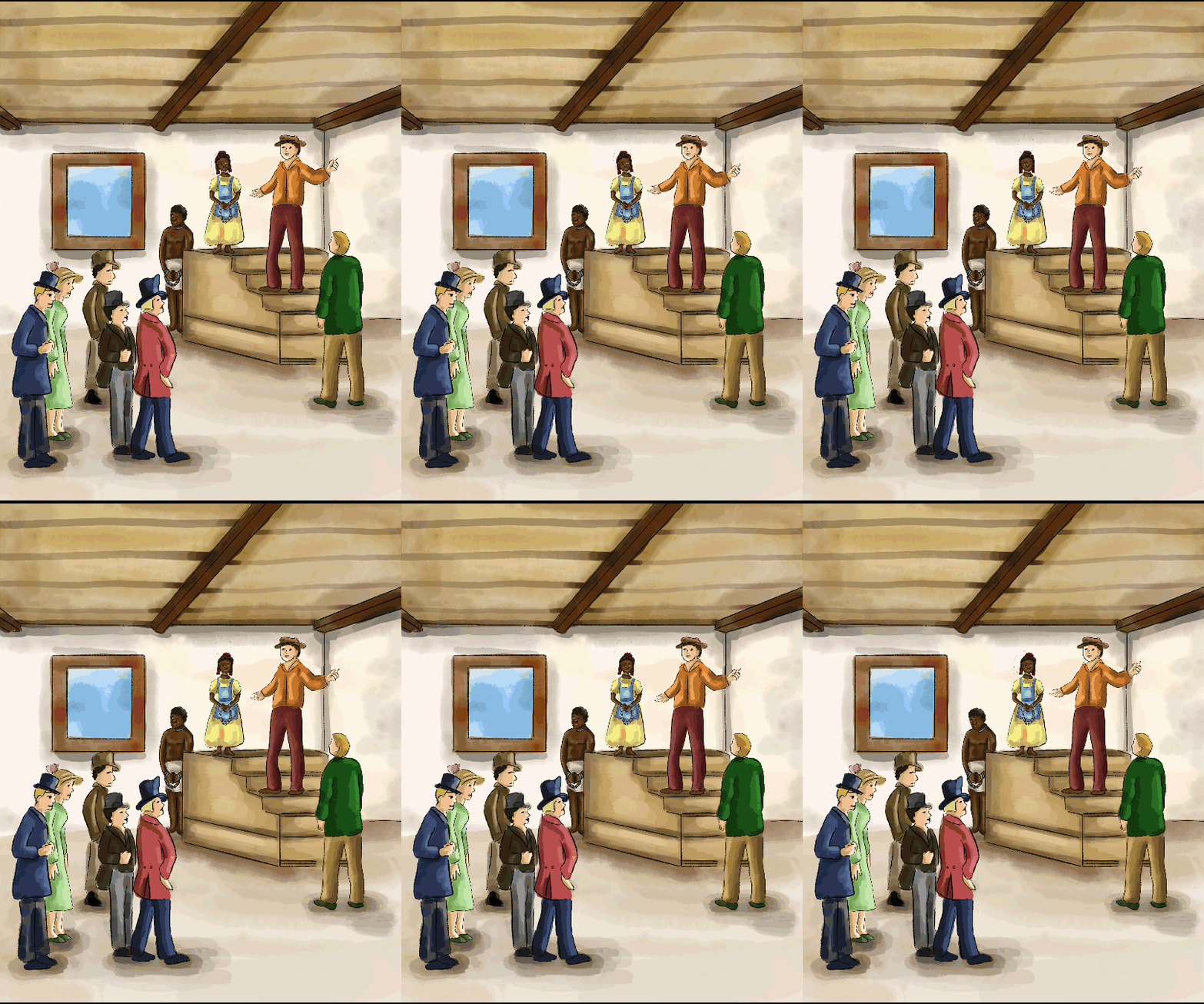
She was then purchased by a man named John Wheatley who took her home and gave her as a present to his wife, Susanna. The poor enslaved girl was not allowed to retain the name her parents gave her at birth but was given Phillis after the ship that transported her to America. As was the tradition at the time, she was also given the last name of the family which bought and kept her enslaved. So, she became known as Phillis Wheatley. The name that she was given by her parents became lost forever.
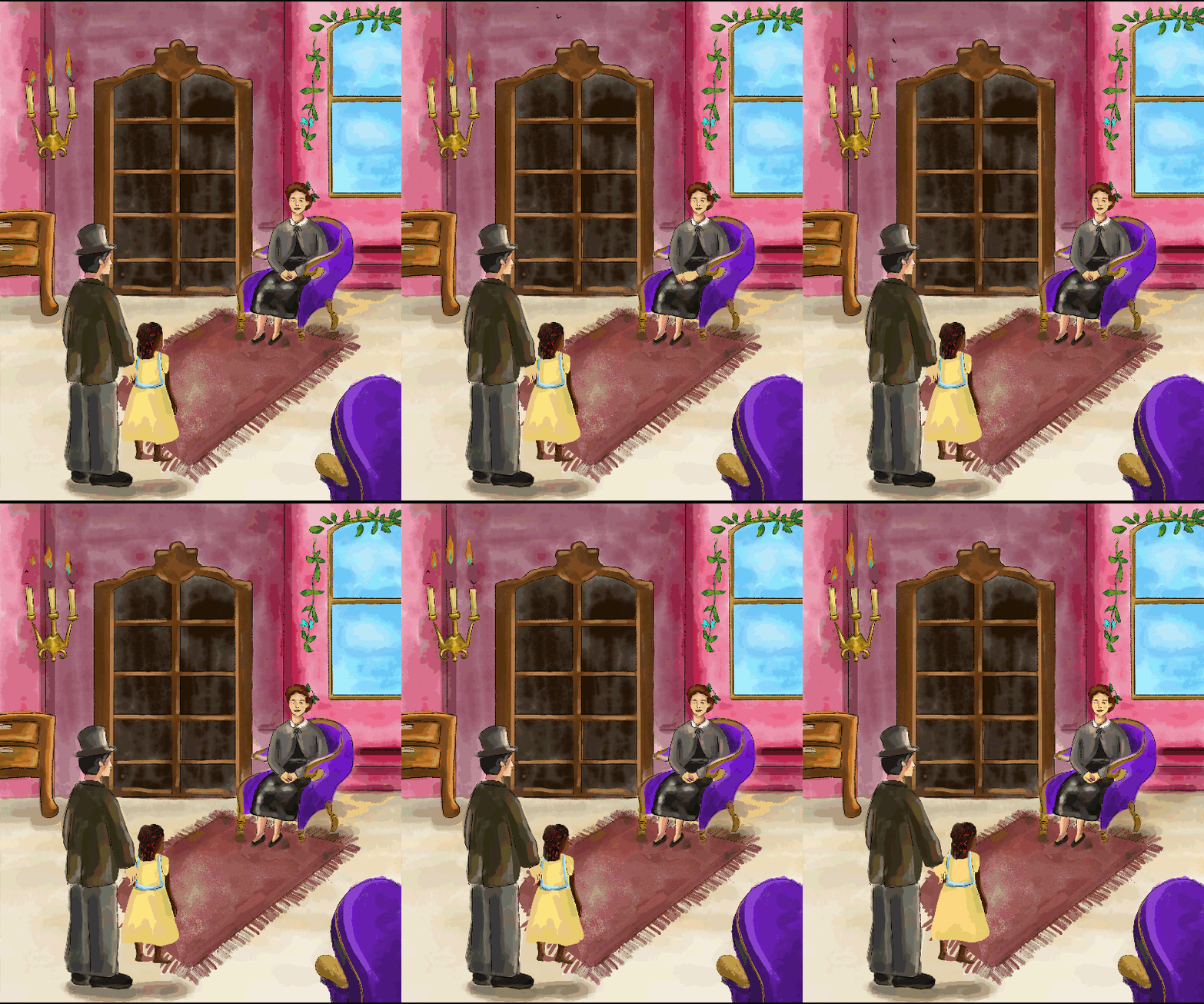
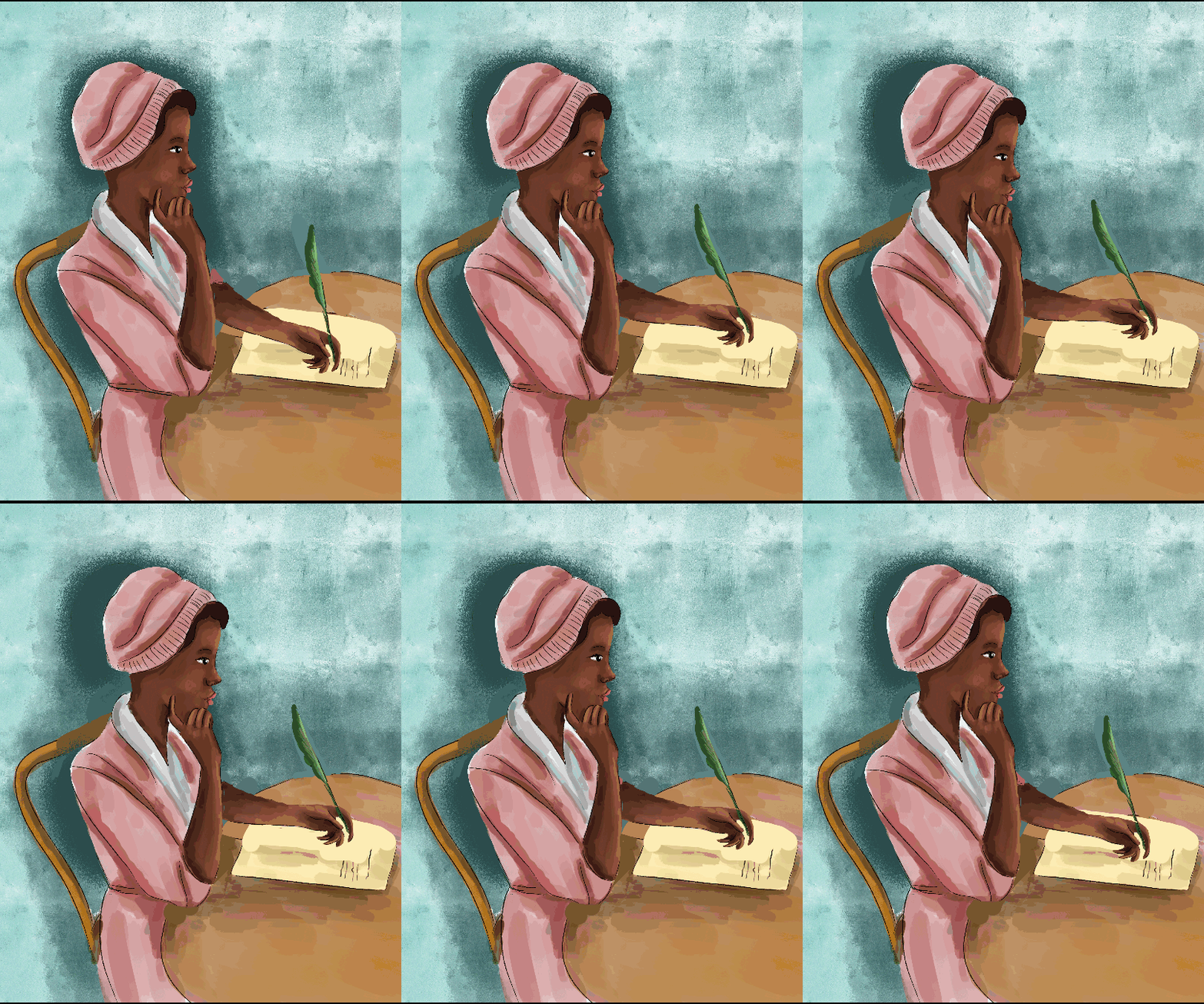
This bright African girl, now known as Phillis, must have impressed the Wheatley family by how quickly she learnt everything. Although it was against the law to teach slaves how to read and write at that time, the young Phillis’s brilliance was such that the Wheatleys allowed their daughter, Mary to teach her how to read and write.
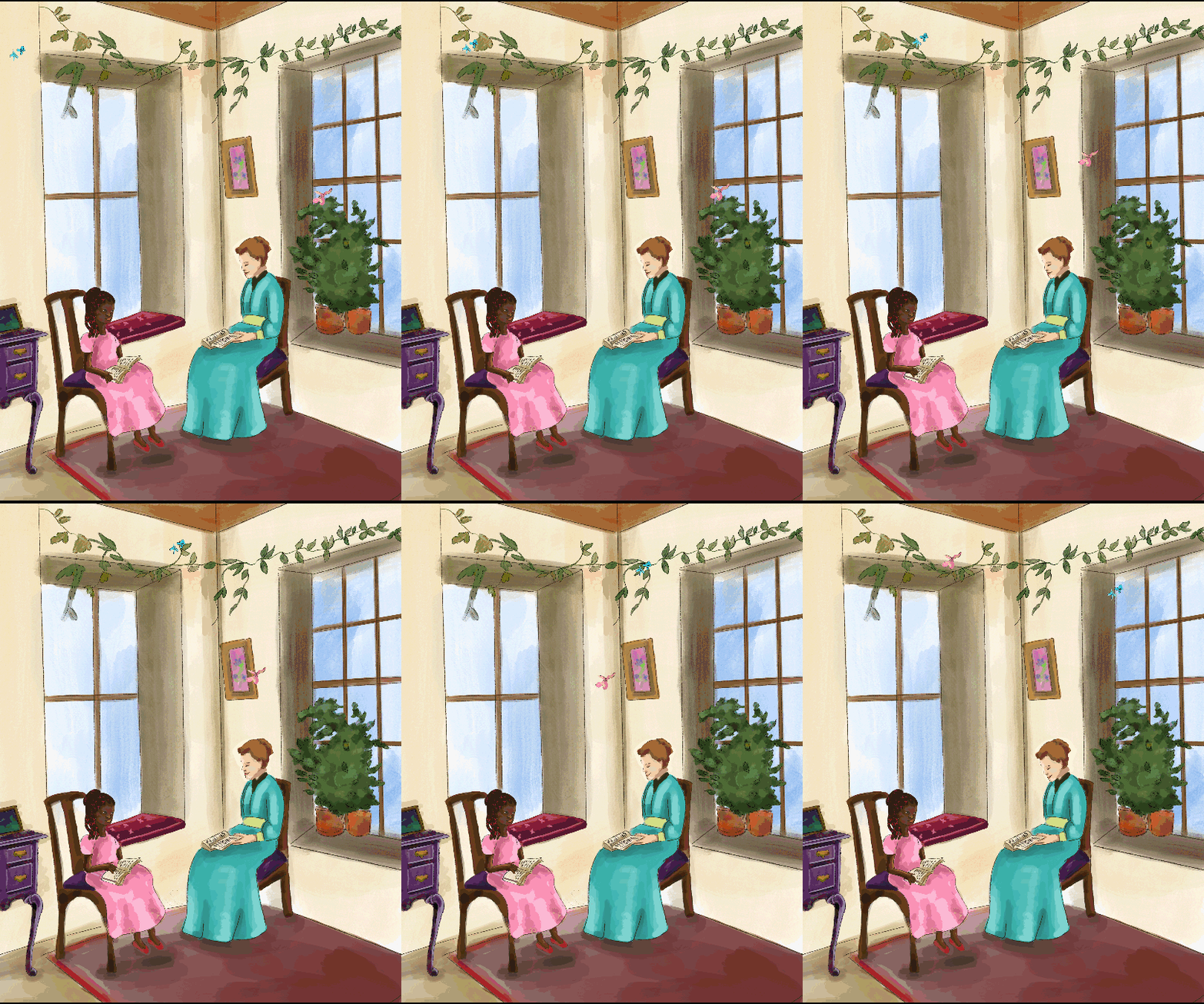
Phillis was more fortunate than other people who were captured and sold into slavery because the Wheatley family allowed her to learn to read and write. She was so brilliant and loved learning so much that by the time she had lived with the Wheatley family for only two years, she could read and understand not just English, but books written in Greek and Latin. Phillis very quickly read the whole bible and all the English books that she was given. She also studied books on geography and astronomy.
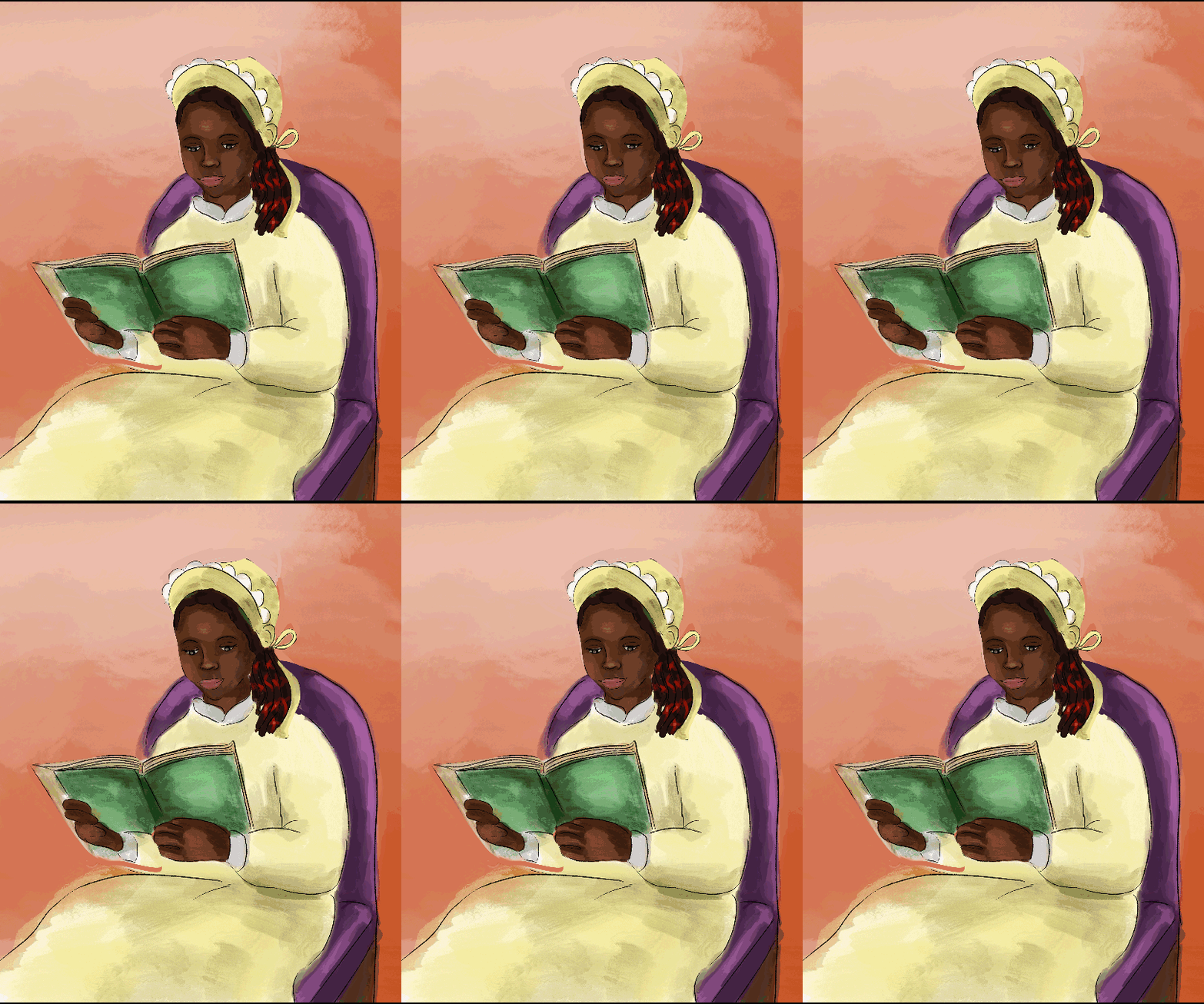
By the time she was a young teenager, Phillis had translated some of the stories written by Ovid, a famous ancient Roman poet. One of her earliest poems was titled “To the University of Cambridge, in New England.” The members of the Wheatley family were so impressed with her that they could not resist showing her off to their trusted friends and family.
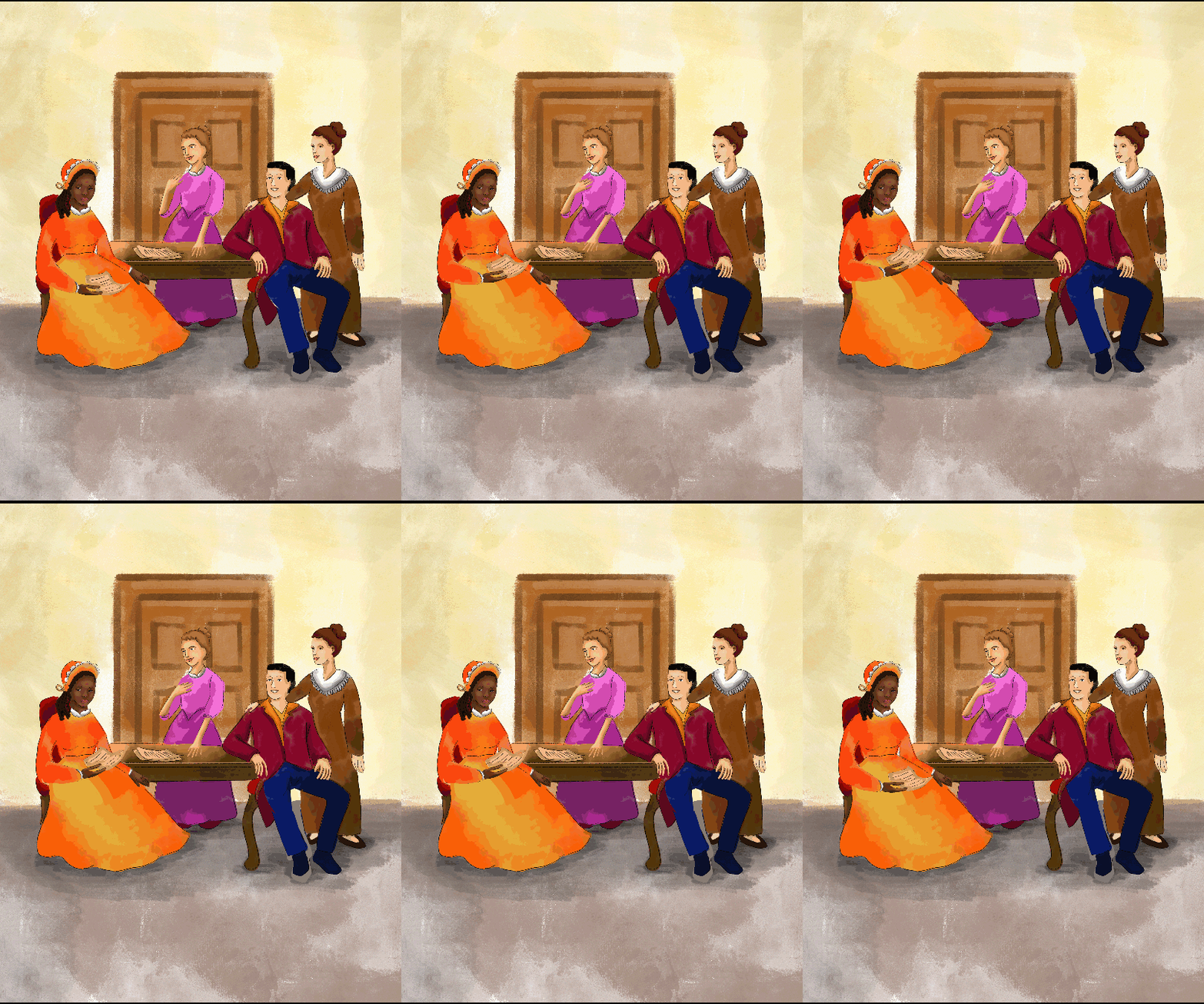
With the help of the Wheatley family, she started publishing her poems. Although she was spared the kind of horrific life that most slaves suffered, Phillis never forgot what it meant to be free. She started using her ability to read and write to campaign against slavery by writing letters to other people who were campaigning for the abolition of slavery.
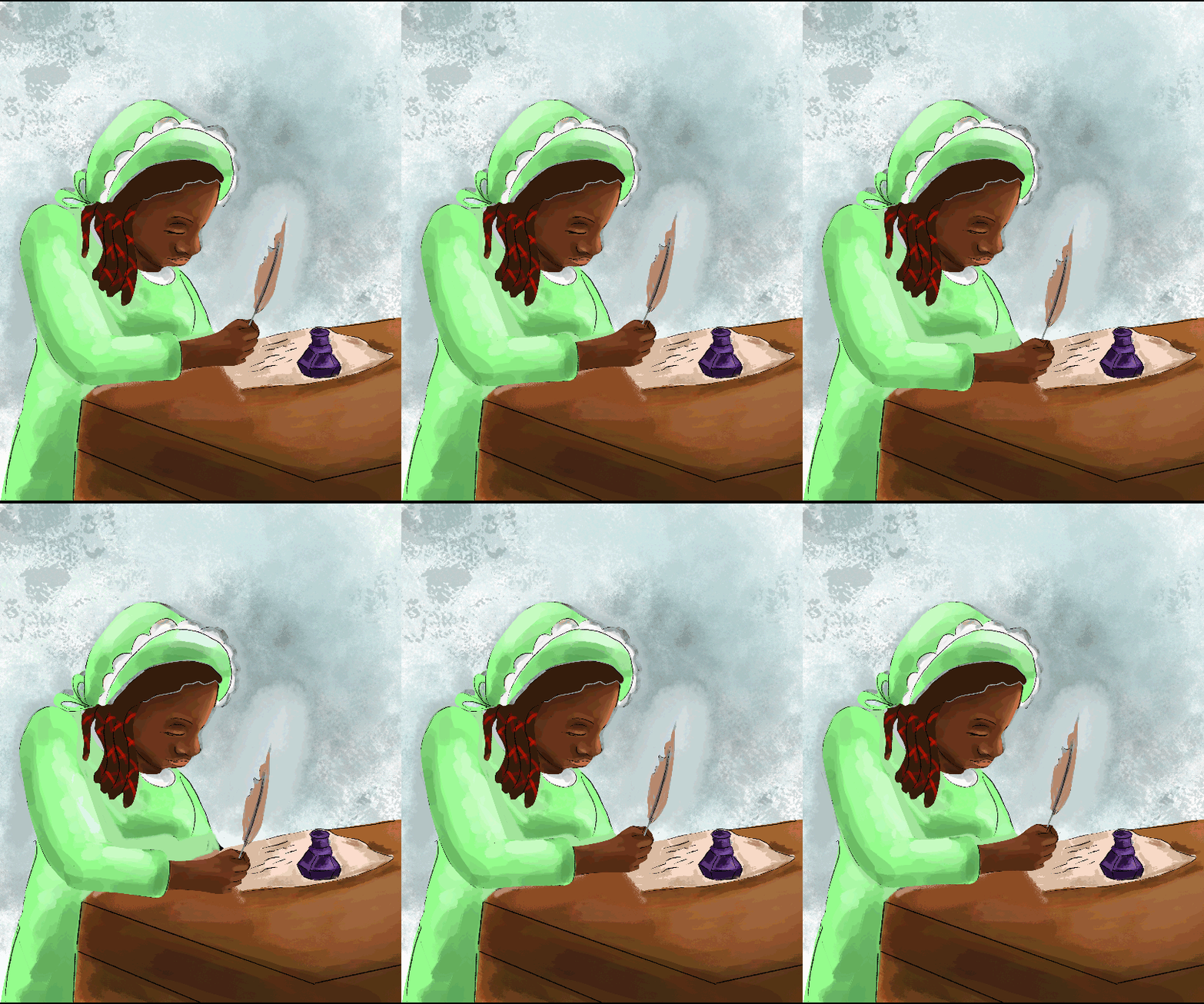
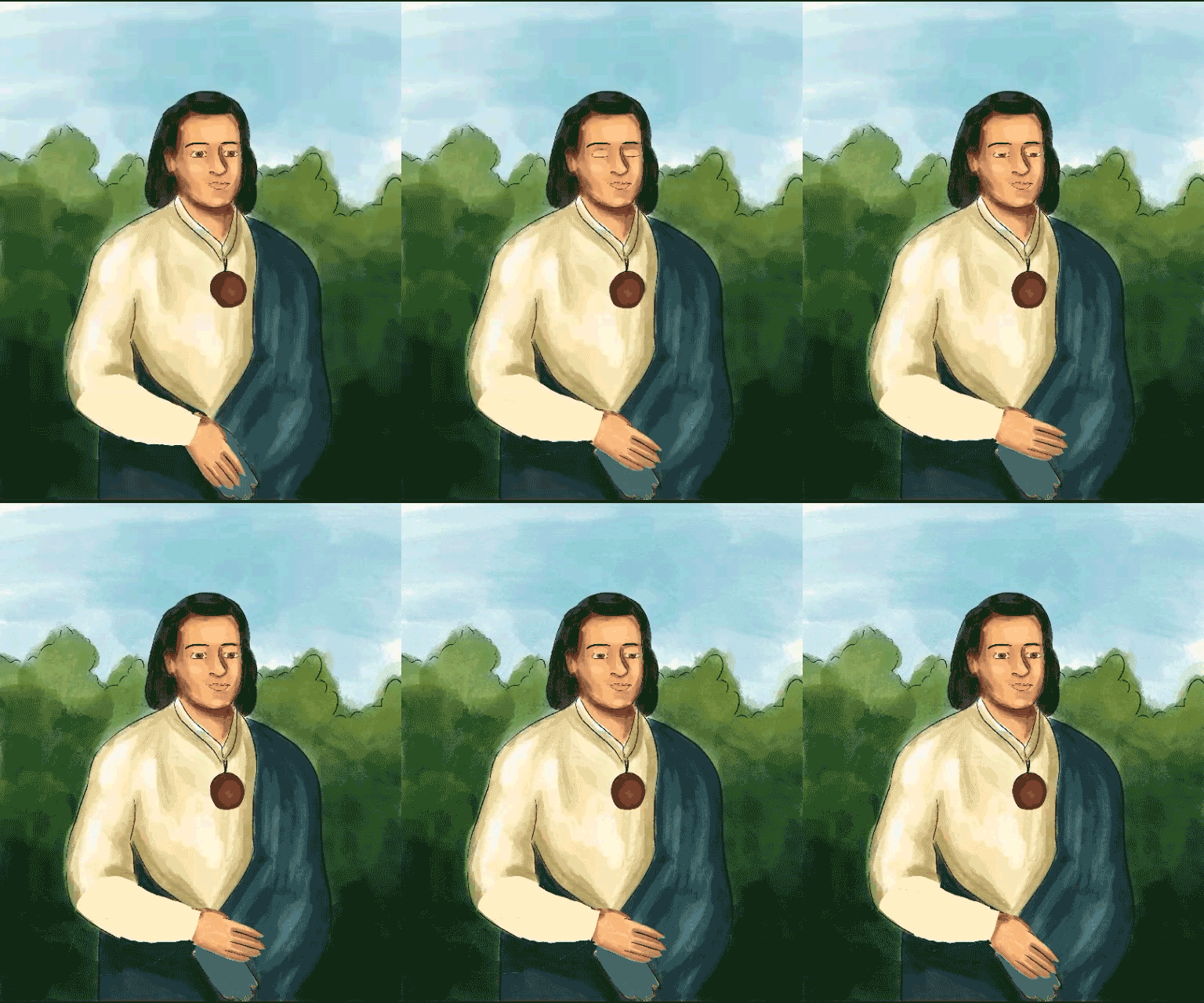
One of those abolitionists was Reverend Samson Occom, a native American. Phillis wrote to him to commend him on his ideas. She also encouraged him by supporting his belief that slaves should be given all their natural rights in America.
Phillis became known internationally when one her poems which was published in the form of a pamphlet became widely circulated.
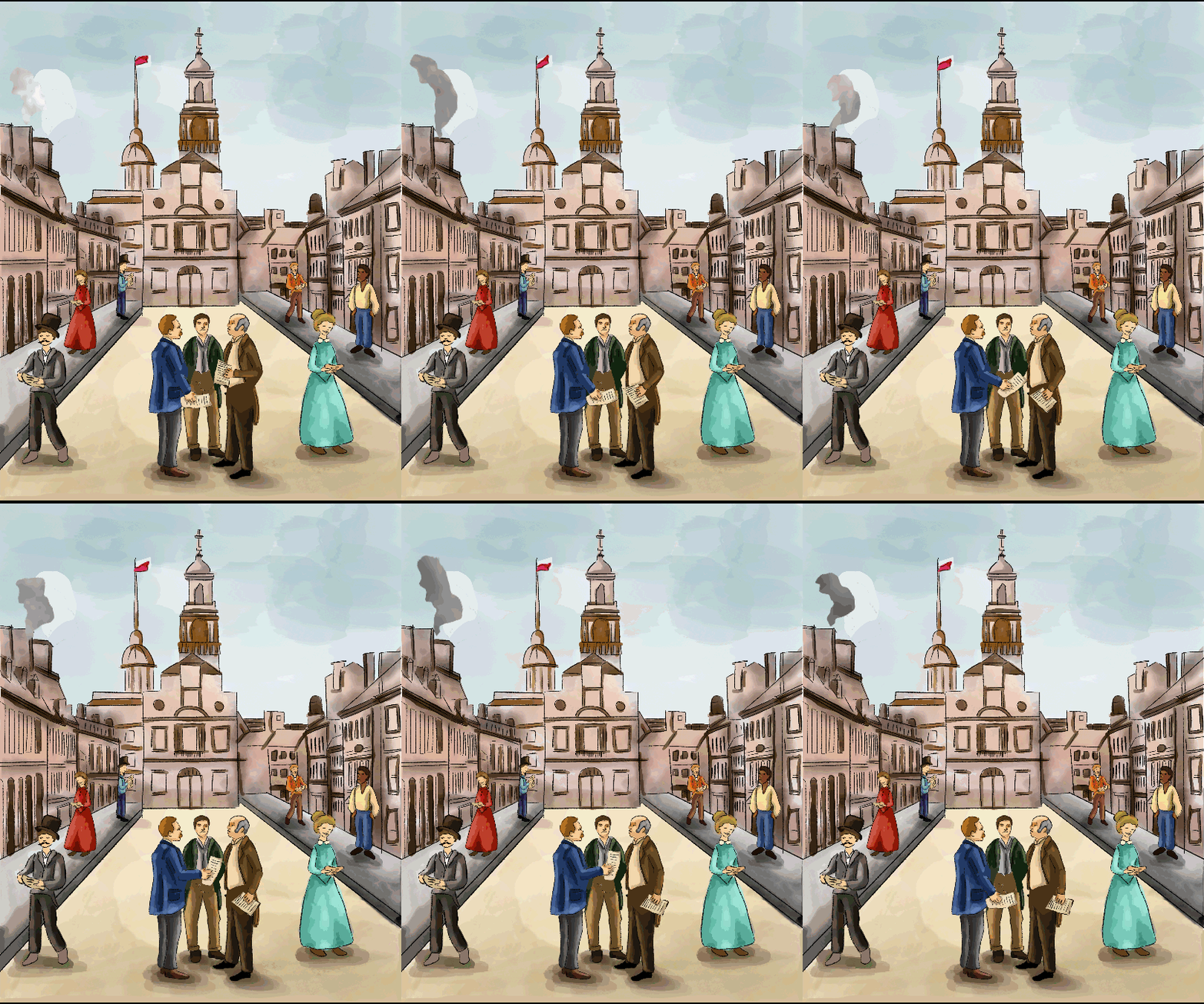
She continued writing but faced a lot of challenges. No publisher in America was willing to publish her work because she was an African and a slave. Undaunted, Phillis persevered. With the Wheatley family’s help, she sent her poems to Selina Hastings, a Countess in Britain. Like Reverend Occom, Countess Selina Hastings was an abolitionist because she wanted an end to slavery. She was impressed with Phillis’s poems and helped her find a publisher in Britain. Phillis was then invited to Britain.
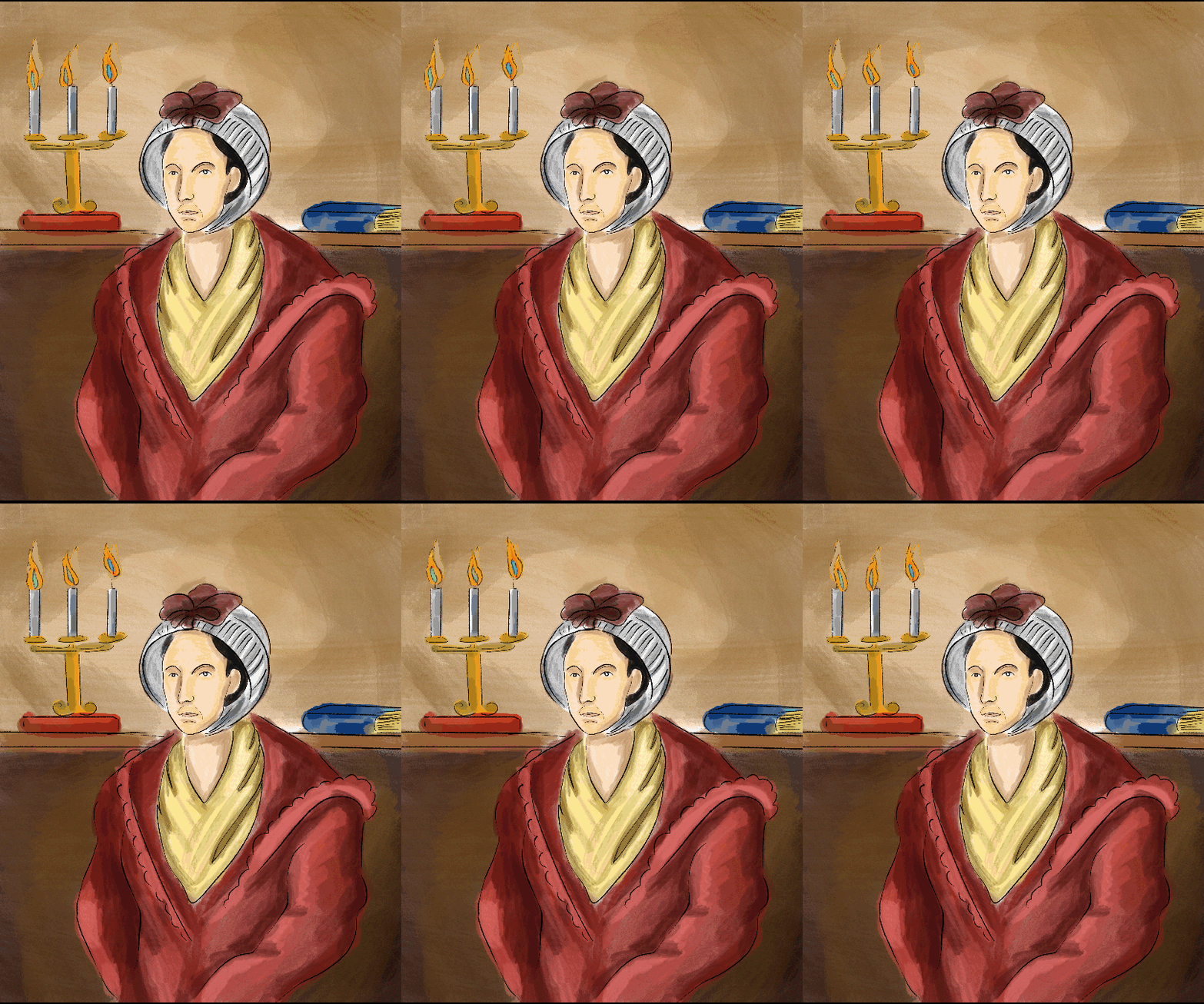
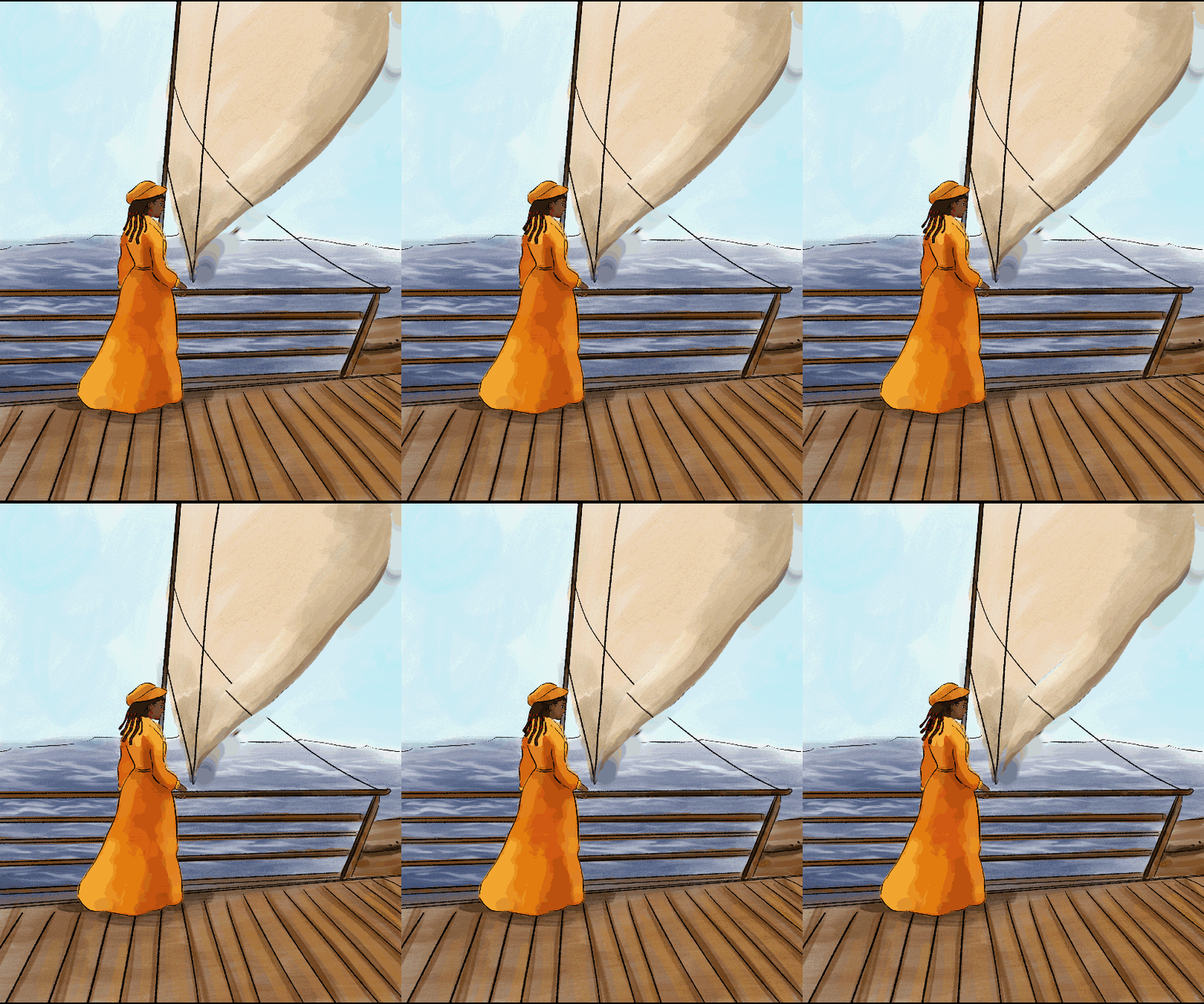
Although she was ill with Asthma, Phillis travelled by ship to Britain accompanied by a member of the Wheatley family. By the time she made the voyage to Britain, Phillis had come a long way from the frightened little girl that she was when she was stolen from her home in Africa. The young woman who embarked on the ship to Britain was very different from the girl who was stolen, and bundled alongside other unfortunate souls into the dark damp ship which took them to America.
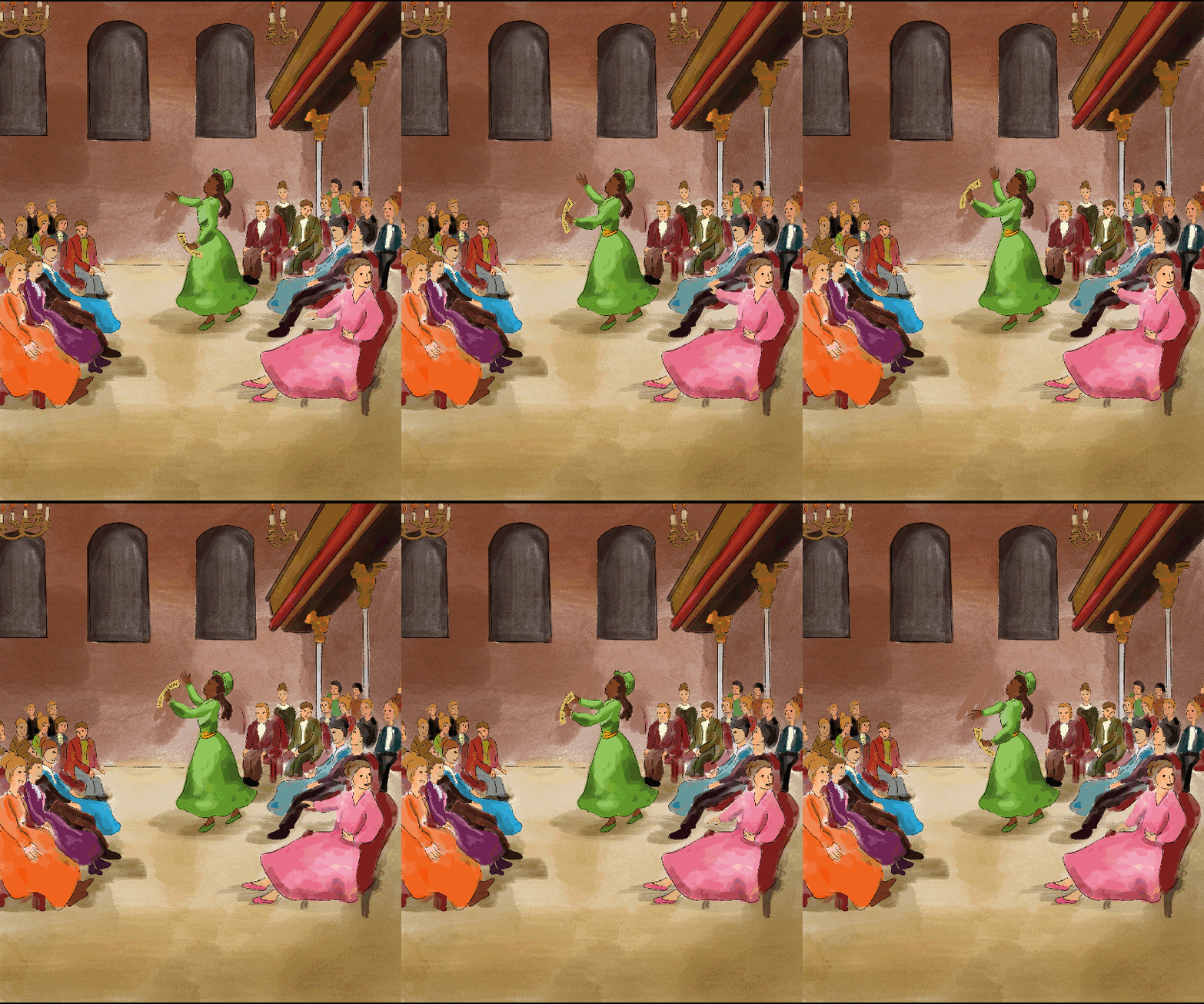
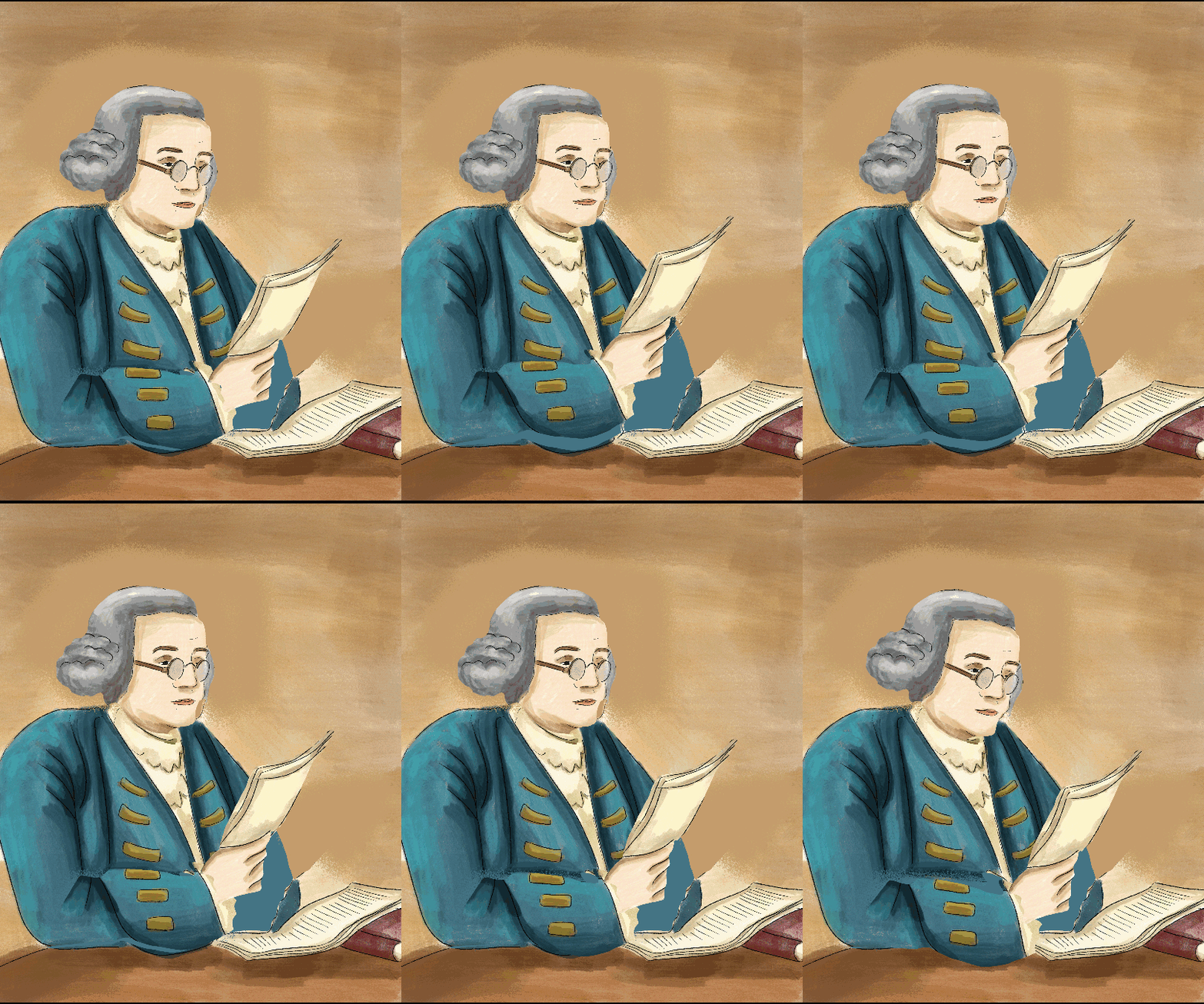
In Britain, with the help of other abolitionists, Phills was received as a celebrated poet. She was very highly respected because of her brilliance and her pleasant personality. After she published a collection of her poems titled ‘Poems on Various Subjects, Religious and Moral’, Phillis returned to America.
The publication of her collection was advertised in a Boston newspaper, and it was a significant achievement. No other person of African descent had ever published a collection of poems. Phillis’s collection of poems caused a big uproar because she was an African and a slave.
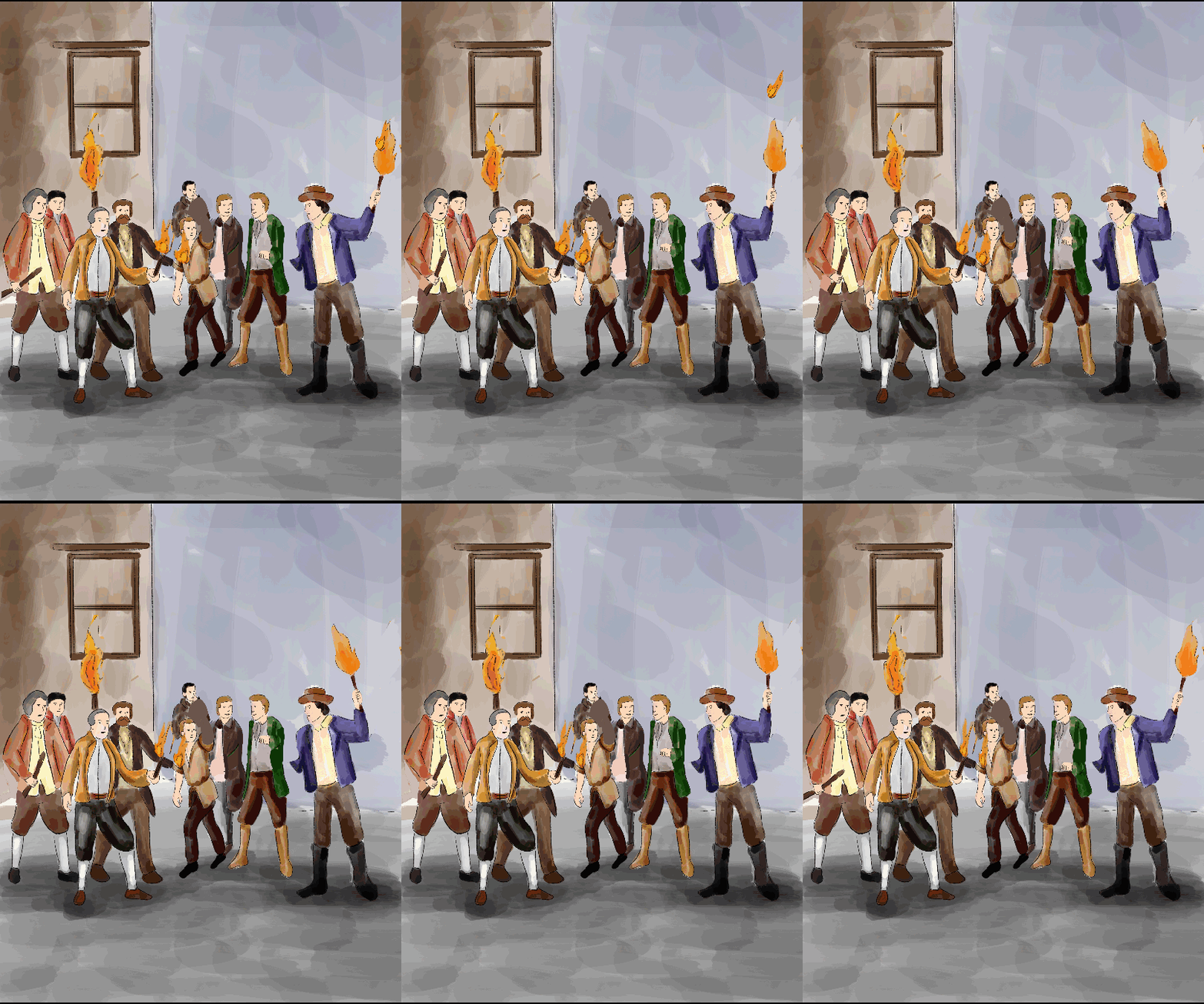
Most people in America did not expect and were not ready to believe that Phillis wrote the poems. They did not think that a young girl, an African, and a slave could have the intelligence or ability to create beautiful poetry.
She had expected that people would doubt who wrote them and had taken the trouble to get seventeen highly respected men who were familiar with her brilliant poetry to write a preface which confirmed her authorship of the collection.
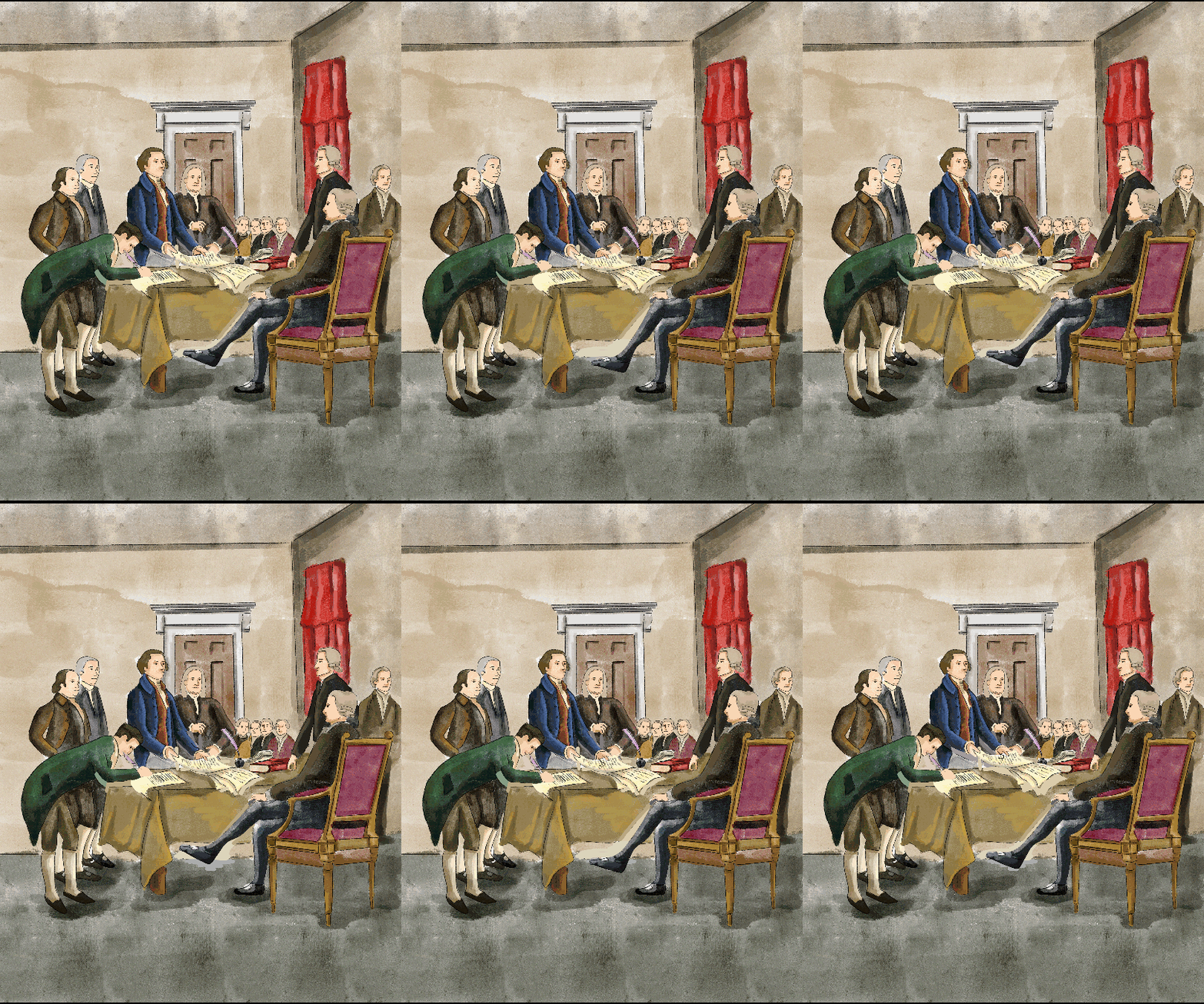
One of these seventeen men, John Hancock, was a founding father of America. He was one of the people who signed America’s Declaration of Independence. He wrote to testify that Phillis was the person who wrote the poems.
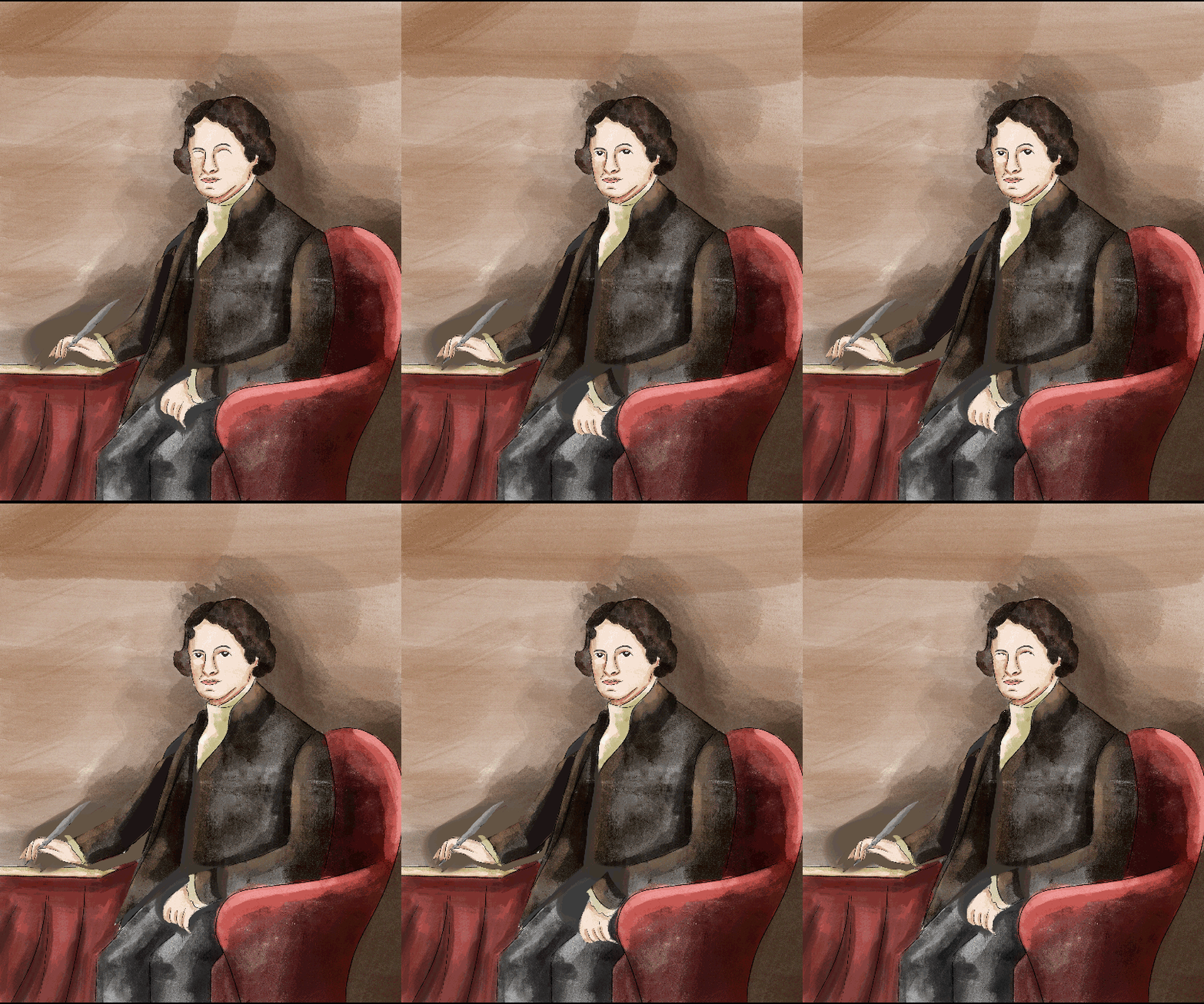
However, despite all her efforts, many people chose to condemn her and her poems simply because of her race. Unfortunately, one of the people who belittled her poems because of her race was Thomas Jefferson. He was also one of the founding fathers of America. Jefferson, who later became the third President of the United States of America, wrote that he did not believe that black people had the imagination to write poetry.
Phillis remained undaunted and did not allow the negative reactions of the influential people who condemned her to stop her. She persisted in her writing and never gave up her belief in herself and in the independence of all people. These beliefs made her a staunch supporter of America’s struggle for independence from Britain.
Her conviction that all humans should be free made her write many poems supporting George Washington. He became the first president of Phillis’ new country when America gained independence from Britain. Her poems pleased President George Washington so much that he wrote her a letter to thank her.
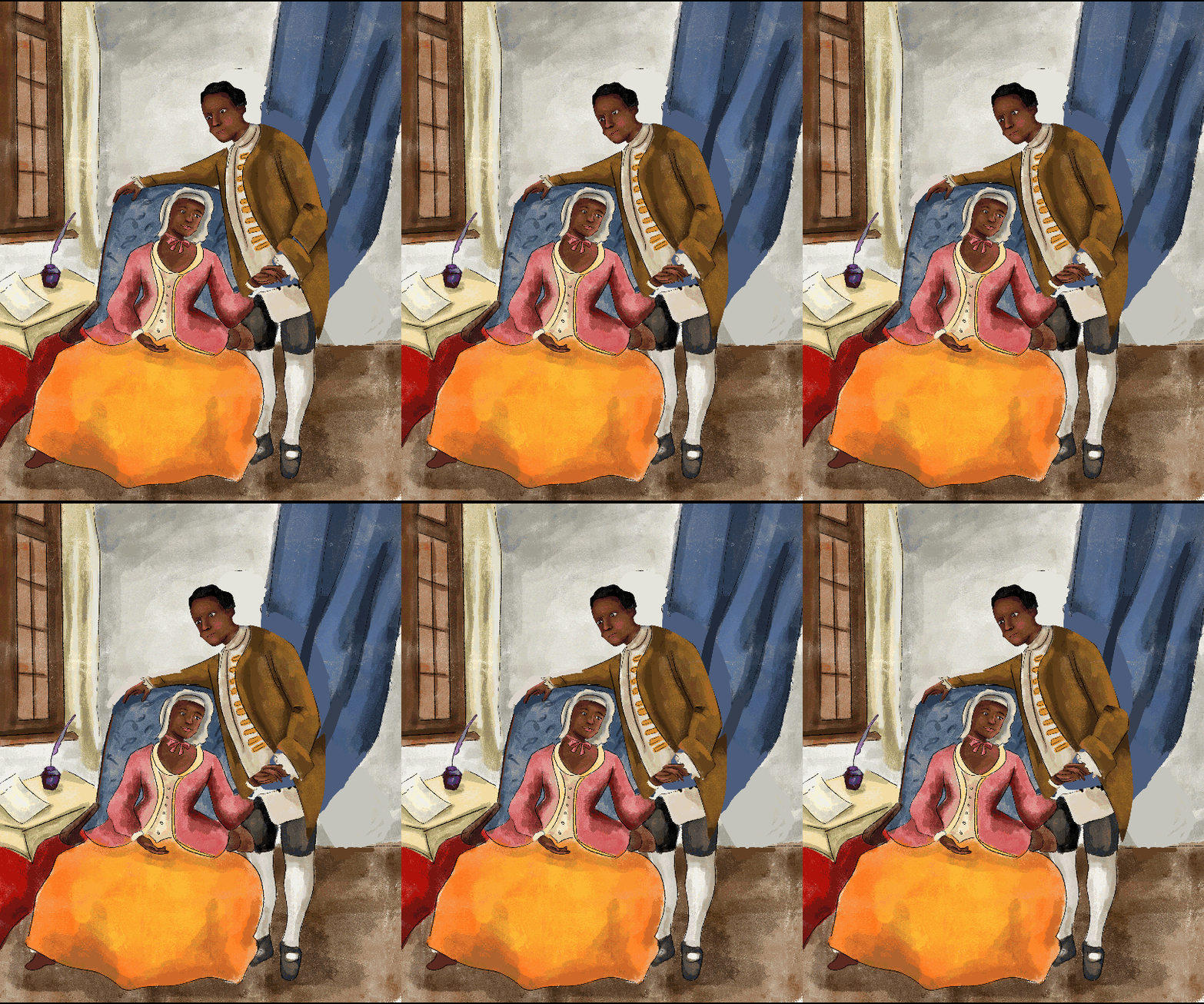
Phillis gained her freedom after she returned to the USA from Britain. She married John Peters, a free black man.
She continued to write and never forgot her parents, siblings and where she came from. Here is a short excerpt from one of her poems:
“To the Right Honorable William, Earl of Dartmouth”
I, young in life, by seeming cruel fate
Was snatch’d from
Afric’s fancy’d happy seat:
What pangs excruciating must molest,
What sorrows labour in my parent’s breast?
Steel’d was that soul and by no misery mov’d
That from a father seiz’d his babe belov’d:
Such, such my case. And can I then but pray
Others may never feel tyrannic sway?
Related products

Biographies

Biographies