
Blog
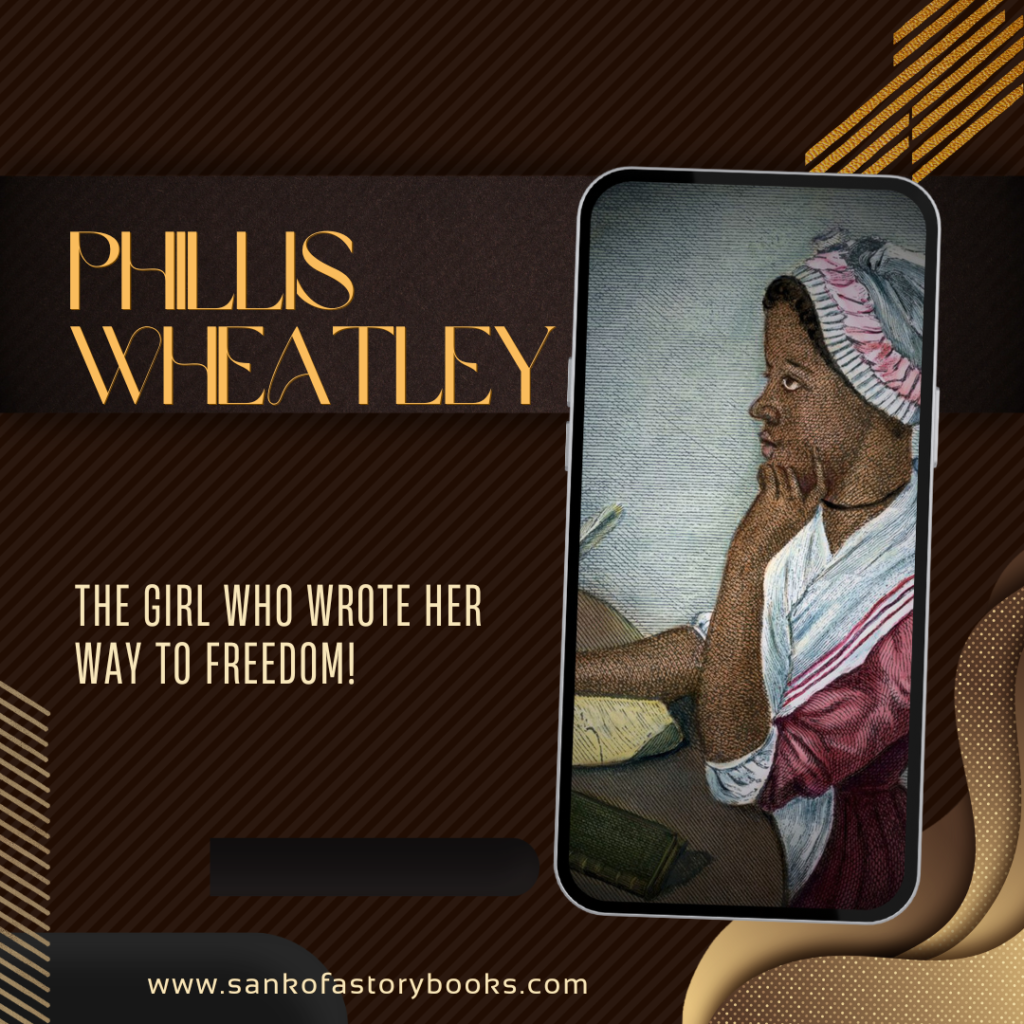
Phillis Wheatley: An Inspiration to Young African Girls
Mar
In the heart of the 18th century, amidst the darkness of slavery, there emerged a beacon of light named Phillis Wheatley. Born in Senegal in 1753 and transported to America as a child on a slave ship, her journey began with the mark of bondage, but her spirit soared far beyond those confines.
Named after the vessel that brought her to the shores of Boston, Phillis found herself in the care of the Wheatley family. Despite the harsh realities of her enslavement, her brilliance shone through. With the assistance of the Wheatley children, she swiftly mastered Latin and English, her intellect blossoming. By the tender age of thirteen, she wielded her pen to craft poetry that captured hearts and minds alike.
Her debut in the literary world came in 1767, with the publication of her poem “On Messrs. Hussey and Coffin” in a Newport newspaper. Soon, her verses resonated far and wide, garnering admiration from readers both near and distant.
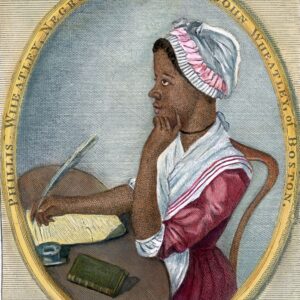
SEE ALSO: Phillis Wheatley, the girl who wrote her way to freedom
In 1773, at the youthful age of twenty, she made history by becoming the first African American woman to publish a book in America, titled “Poems on Various Subjects, Religious and Moral.” Her talent knew no bounds, and accolades poured in, even from luminaries like George Washington.
But Phillis Wheatley’s poetry was more than mere artistry; it was a courageous outcry against the inhumanity of slavery. With every stanza, she championed freedom, equality, and the inherent dignity of every individual. In a world that sought to strip her of her humanity, her words became her weapon, challenging the very foundations of oppression.
Despite her literary acclaim, Phillis remained enchained by the shackles of slavery. However, in 1778, she took a bold step towards liberation by petitioning the Massachusetts government for her freedom. With the support of influential figures like John Hancock and John Adams, her plea was granted, and she emerged from bondage as a free woman.
READ ALSO: 10 African Stories Every Black Parent Should Share with Their Children
From her newfound liberty, Phillis Wheatley continued to pen verses that echoed the cries for justice and equality. Until her passing in 1784, she remained a steadfast advocate for the abolition of slavery, leaving behind a legacy that transcends time.
Phillis Wheatley’s life serves as an inspiration to young African girls everywhere. Her story teaches us the power of resilience in the face of adversity, the strength of intellect to overcome barriers, and the indomitable spirit that refuses to be silenced. Through her example, we learn that even in the darkest of times, our voices have the power to ignite change and illuminate the path towards a brighter future.
