
Blog
Mariama Bâ: A Model for African Girls

Mar
Mariama Bâ, a Senegalese author and feminist, left an indelible mark on African literature and feminist discourse through her poignant works that shed light on the struggles and aspirations of African women. Born on April 17, 1929, in Dakar, Bâ grew up in a society deeply rooted in tradition and Islam. However, she defied societal norms and used her voice to advocate for the rights and liberation of African women.
Bâ’s literary journey began with her frustration and empathy for the plight of African women, which she eloquently expressed in her seminal work, Une si longue lettre (So Long a Letter). Published in 1979, this French-language novel is a semi-autobiographical epistolary masterpiece that delves into the complexities of polygamous marriages and the challenges faced by women in navigating them. Through the protagonist Ramatoulaye’s letters, Bâ portrays the sorrow, resilience, and quiet rebellion of a woman who must grapple with her husband’s death while contending with the presence of his second wife.
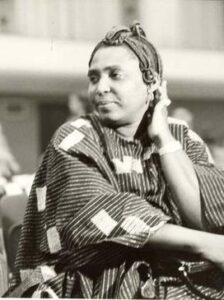
In So Long a Letter, Bâ transcends mere storytelling; she offers a profound exploration of the social, cultural, and emotional landscapes that shape the lives of African women. Her narrative not only highlights the injustices and inequalities prevalent in patriarchal societies but also celebrates the strength and dignity of women who persist in the face of adversity.
READ ALSO: Mansa Musa: A Legacy of Gold and Lessons for African Children
The impact of Bâ’s literary contribution was not confined to the boundaries of Senegal or the Francophone world. Her work resonated globally, leading to translations into over a dozen languages and earning her widespread acclaim. In recognition of its significance, So Long a Letter was awarded the inaugural Noma Award for Publishing in Africa in 1980, further solidifying Bâ’s status as a trailblazer in African literature.
Beyond her literary achievements, Mariama Bâ emerged as a beacon of feminist thought and activism in Africa. She fearlessly challenged entrenched patriarchal norms and advocated for women’s rights to education, autonomy, and self-determination. Through her writing and advocacy, Bâ inspired countless women to question societal expectations and strive for equality and empowerment.
SEE ALSO: 5 African Women Writers that Inspire Young Girls to Be Better
Today, as African girls navigate a world marked by both progress and persistent challenges, Mariama Bâ’s legacy remains as relevant as ever. Her life and work serve as a testament to the power of storytelling in driving social change and empowering marginalized voices. African girls can draw invaluable lessons from Bâ’s courage, resilience, and unwavering commitment to justice. They can find inspiration in her words to defy expectations, pursue their dreams, and demand their rightful place in society.
In commemorating Mariama Bâ’s legacy, it is essential to recognize not only her literary brilliance but also her enduring impact on the struggle for gender equality in Africa and beyond. As we continue to strive for a more just and inclusive world, Bâ’s voice echoes as a reminder of the importance of amplifying the stories and experiences of women whose voices have been marginalized for too long.
